Do you get wet on a dolphin cruise?
An honest, practical answer to whether you get wet on a dolphin cruise in Charleston, broken down by boat type, with what to wear, what to bring, and how weather changes the answer.
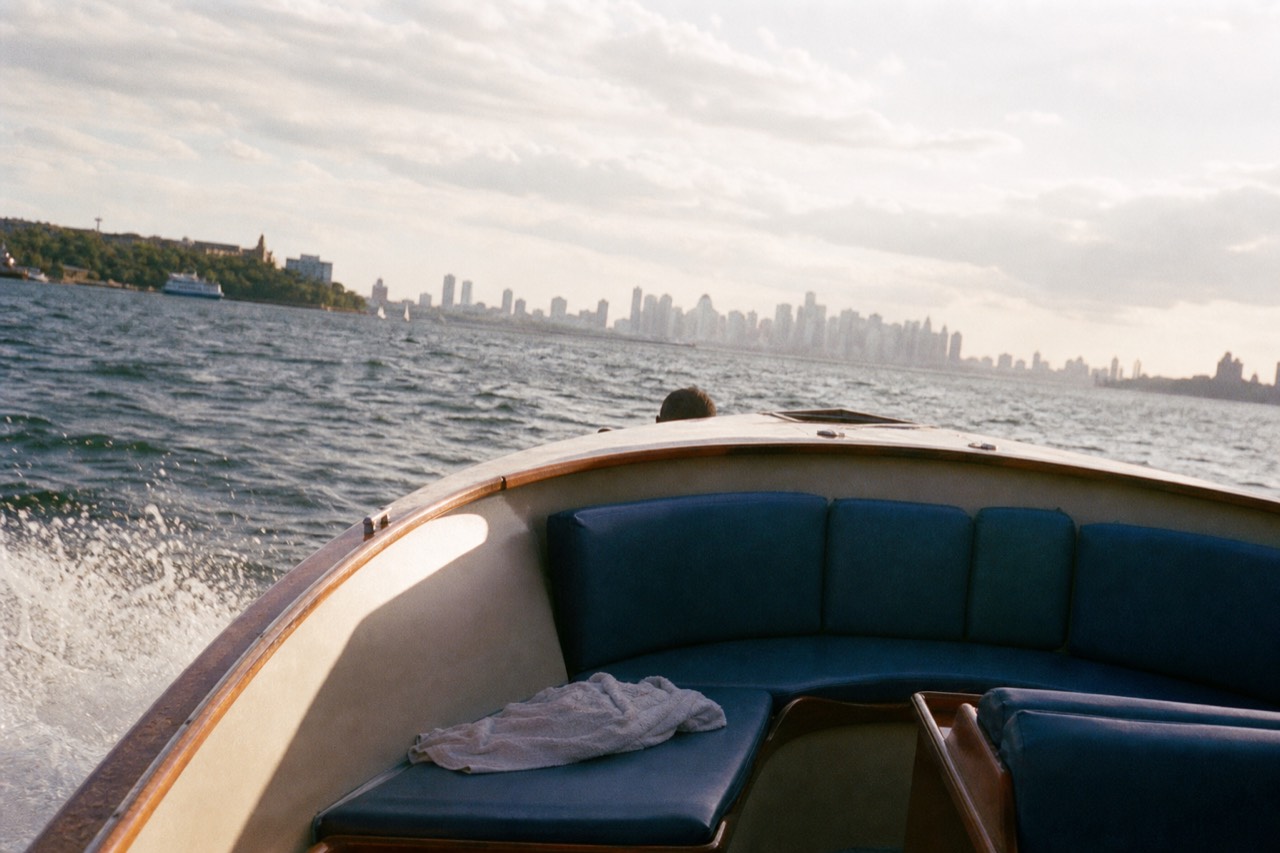
Do you get wet on a dolphin cruise?
On most dolphin cruises, no: passengers sit above the waterline in seats that stay dry, and the boat's rails and gunwales block routine spray. You can get damp on open, fast small boats, in the bow seats of catamarans, or when wind pushes spray across an open deck, and anyone in the front rows of an open vessel should expect the occasional splash.
That is the short version. The longer version is that "dolphin cruise" covers several very different kinds of boat, from 84-foot tall ships with covered seating to small open skiffs that skim tidal creeks at speed, and the wetness question has a different answer on each. The type of boat matters more than the weather, more than the season, and more than anything the tour description says.
On the larger vessels used for dolphin watching in Charleston, the deck sits well above the harbor's normal chop. When a boat like that turns or accelerates, the spray stays near the waterline and below the seating area. Passengers who stay mid-ship, behind the windscreen or in covered sections, routinely finish a trip without a drop on them. That is the default experience on the schooner-style trips and the bigger sightseeing boats.
The exceptions are real, though. Smaller open boats, especially the skiffs and pontoon-style vessels used on creek tours behind the barrier islands, ride lower and move faster relative to their size. Sitting in the bow of a boat like that on a windy day is a genuinely wet place to be. Some passengers choose those seats on purpose, because proximity to the water is exactly the point of a small-boat dolphin tour.
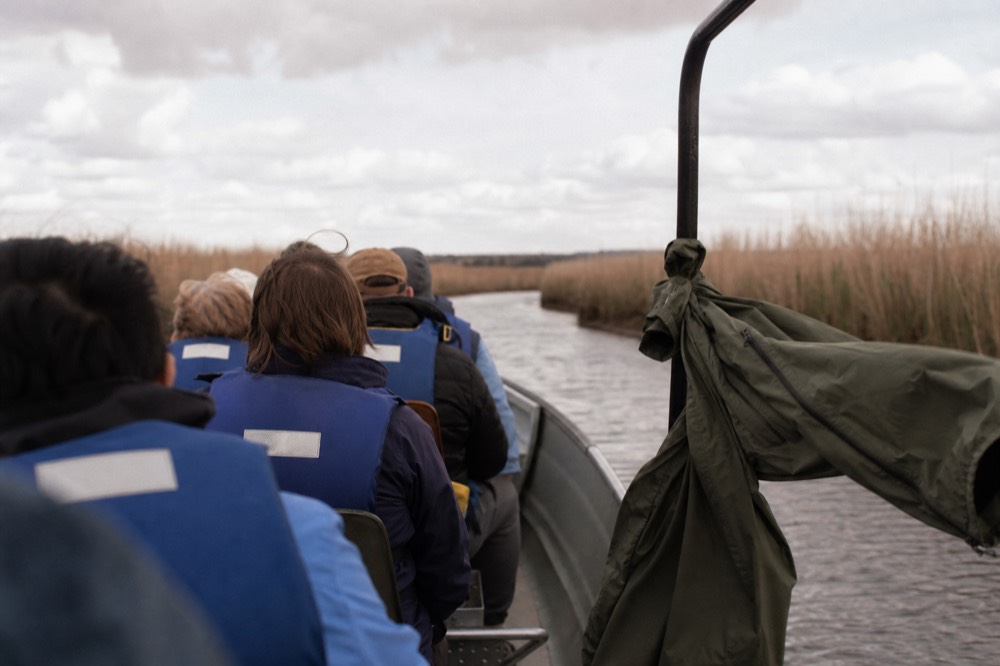
The one thing nobody should plan around is touching or swimming with the dolphins themselves. Federal law under the Marine Mammal Protection Act requires boaters to stay at least 50 yards, or 150 feet, from dolphins, so no lawful tour puts you close enough for a dolphin to splash you deliberately. Any wetness you experience comes from the boat and the wind, not the animals. The 50-yard distance rule is enforced and widely publicized in the Lowcountry.
If you are weighing options, these are the three dolphin tours this site covers that span the wet-to-dry spectrum, from a tall ship with dry seating to a small-boat creek excursion:
Which boat types keep you driest?
Enclosed-deck and schooner-style boats are the driest, because their seating sits high and often under cover, and their slower cruising speeds throw almost no spray. Mid-size catamarans are moderately dry amidships but wet at the bow. Small open skiffs and pontoon boats are the wettest, especially bow seats on windy days, though even there a calm-water trip can end completely dry.
The pattern is consistent: the lower and faster the boat, the more spray it throws, and the more of that spray reaches passengers. Here is how the common dolphin-tour boat types compare, in practical terms, for anyone deciding based on staying dry.
| Boat type | Typical wetness | Where the water comes from | Best seat to stay dry |
|---|---|---|---|
| Enclosed or climate-controlled deck boat | Almost none | Rain only, and covered sections block that | Anywhere under cover |
| Tall ship / schooner, 80+ ft | Very little | Occasional spray over the bow rail in wind | Mid-ship, behind the mast |
| Mid-size powered catamaran | Light amidships, more at the bow | Bow spray when running at speed | Aft of the center console |
| Small open skiff or creek boat | Real spray possible | Wind-driven spray and chop at speed | Stern, behind the driver |
| Pontoon boat | Minimal, unless windy | Splash over the low front rails | Rear benches |
Two notes on reading that table honestly. First, "almost none" is not "none": on any open water, a strong wind can carry a fine mist across a deck, and hair and glasses can pick that up even when clothes stay dry. Second, the table describes routine conditions. A thunderstorm rolls through, or a squall catches a boat mid-trip, and every category gets wetter, which is why operators watch radar and hold or reschedule departures rather than run through weather.
The schooner-style dolphin trips in Charleston are a good example of the dry end of the spectrum. The 84-foot tall ship used for the afternoon schooner sightseeing dolphin cruise carries 4.5 stars across 787 reviews, from $56 per person, and its deck height and leisurely pace mean passengers stay dry in all but genuinely rough conditions. It is also marked "Likely to sell out" on the live listing, which matters if you are booking for a specific day. Free cancellation is offered.
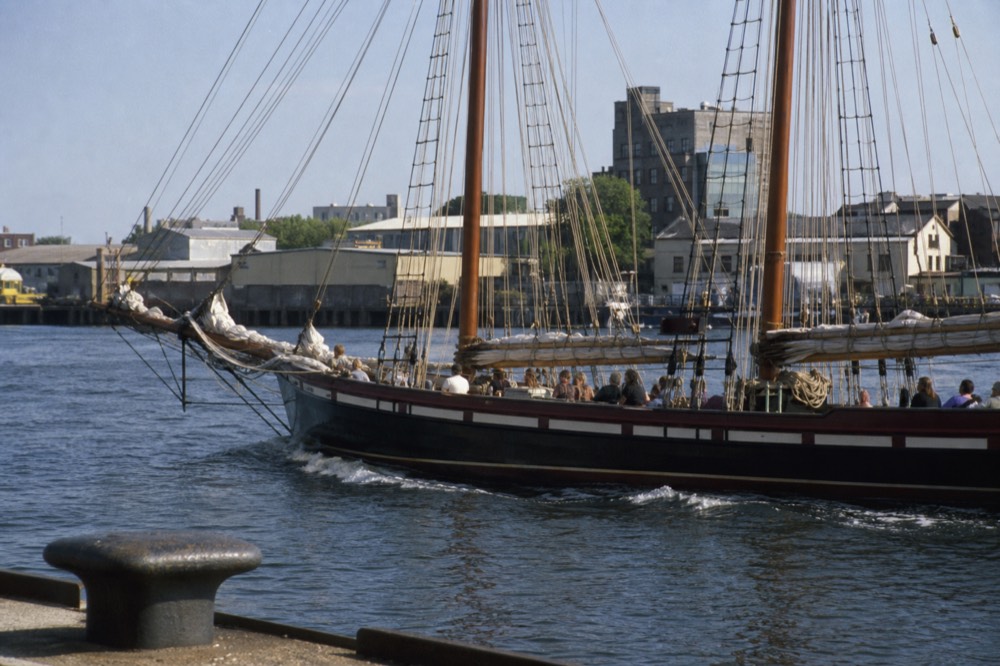
The wettest rides are genuinely fun, and that is worth saying plainly rather than pretending otherwise. The small-boat excursions behind Folly Beach run shallow tidal creeks to look for strand feeding, the rare behavior where dolphins briefly beach themselves to catch fish. Those creeks are calm much of the time, so wetness there is more about seat choice and wind than about waves. But a fast run across open water between creek systems will throw spray, and the operators of those tours know passengers expect it.
How much does seat choice matter?
A lot, often more than boat choice. On nearly every open boat, the bow is the wet zone and the stern is the dry zone, because spray travels backward over the rails at speed. Moving three rows aft can be the difference between a damp jacket and a completely dry trip. If a crew member says a seat is going to get wet, believe them. They watch the same run every day and know exactly where the spray lands on a given wind. On the other hand, if the dolphins surface off the bow, half the boat will rush forward anyway, and that is when people who stayed dry all trip get wet. It is a reasonable trade: a few drops for a close look at a wild dolphin is why most people booked in the first place.
Will the dolphins splash you?
No, not lawfully and not on any legitimate tour. The Marine Mammal Protection Act keeps boats at least 50 yards from dolphins, so the animals are never close enough to drench passengers, and operators do not chase, feed or provoke them. What dolphins do near boats is surface, breathe, and sometimes porpoise fully out of the water, which is dramatic but happens at a distance. Anyone promising close contact or a splash from the animals themselves is describing something a lawful tour cannot deliver. The genuine wetness on a dolphin cruise is always the harbor's, not the dolphins'.
What should you wear and bring?
Dress as if you might get lightly sprayed even if you probably will not: quick-dry fabrics, a light windbreaker, and shoes that can take a damp deck. Skip long dresses, heavy denim and anything that cannot tolerate salt water, bring a hat with a strap, and pack phone and camera in a zip bag or dry pouch.
None of that is overkill. Even on the driest boats, decks get wet from foot traffic, rail spray and condensation, so the floor is reliably damper than the seats. Quick-dry clothing means a stray splash is a shrug instead of a ruined afternoon. Salt water dries stiff on denim and can spot some fabrics, which is why experienced passengers treat a harbor trip a bit like a beach day: comfortable, casual, and nothing precious.
The footwear point deserves its own sentence. Decks are hard, sometimes slick, and often barefoot-unfriendly in the middle of the day. Closed-toe shoes with grip beat flip-flops, which are easy to lose overboard and genuinely dangerous on wet stairs. Sunglasses matter more than people expect: glare off the harbor is severe in the middle of the day, and dolphins are dark shapes on dark water without them.
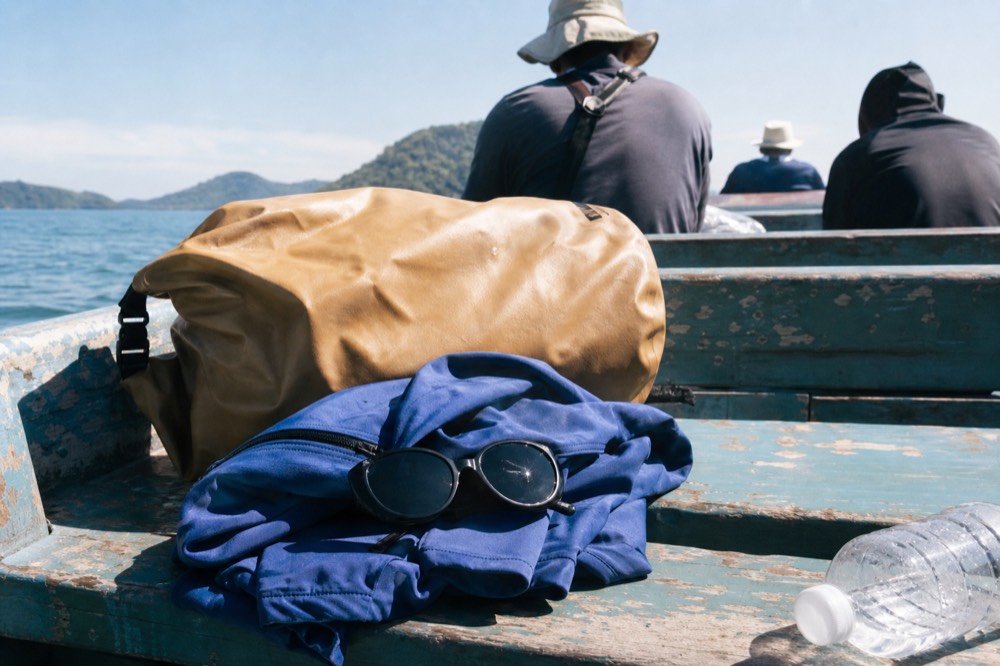
Electronics deserve the most planning. A zip-lock bag is the minimum for a phone; a dry pouch with a lanyard is better, because the moment a dolphin surfaces is exactly the moment people lean over rails with cameras. One splash on an unprotected lens or charging port can end both the photo and the phone. Bring a towel in a small day bag if you are prone to overthinking, but for most trips on the larger boats it stays in the bag.
For the sailing option specifically: the schooner sailing experience dolphin watch, run by Charleston Harbor Tours from Aquarium Wharf, is a 1.5-hour trip from $56 per person where guests can help hoist the sails. Ratings are on the live listing rather than printed here, because the two independent reads disagreed. Working the sails is one of the few activities on any dolphin tour where your hands and sleeves can genuinely get damp from wet lines, so that is the trip to wear quick-dry sleeves on.
A note on sunscreen: reapply before boarding, because harbor glare doubles effective exposure, and spray that wipes sweat off also wipes sunscreen off. Reef-safe sticks and zinc formulas survive damp better than lotions. If you are prone to seasickness, take medication before boarding rather than after, and know that the calmest water is usually on morning and late-afternoon departures, when wind and glare are both lower. This site's guide to dolphin timing in the harbor covers those windows in detail.
Does weather change the answer?
Yes, decisively. Wind is the single biggest variable: a 10-knot breeze can soak bow seats that would be bone dry on a calm morning, and afternoon thunderstorms in summer can end or delay trips outright. Rain makes every open boat wet, while covered and enclosed vessels keep running dry through everything short of lightning.
Charleston's harbor is relatively protected, which keeps routine chop modest, but wind still drives spray. The practical reading is simple: check the forecast for wind speed, not just rain. A calm, cloudy day is a dry day on almost any boat. A clear, breezy day can be a wet one on an open vessel even under a blue sky. Morning trips see the calmest water because wind builds through the day, which is one reason early departures are recommended for smooth rides.
Summer afternoons bring the thunderstorm pattern, and operators treat it seriously. Trips get held, shortened or rescheduled rather than run through a squall, and the terms vary by operator, so it is worth checking the cancellation terms on the live listing before you book rather than after. Hurricane season runs June 1 through November 30, and while Charleston is far more often brushed than hit, it is the honest reason operators sometimes reschedule in late summer and fall.
The seasonal upside is worth knowing too. Fall, September through November, is repeatedly cited as the best season for harbor trips here: cooler air, clearer days, calmer water and thinner crowds. The Charleston Harbor Cruises site's own guide to the best months to book a harbor cruise breaks down the trade-offs month by month.
Where you board changes what you should pack
Departure logistics matter for wetness planning, because where you park and walk shapes what you carry aboard. The Maritime Center and Aquarium Wharf area offers a city garage at $1 per 20 minutes with a $24 daily maximum, while Patriots Point parking runs $5.50 per hour with a $25 daily cap.
The reason to think about this: if you park ten minutes from the dock, you can leave a dry bag, towel and change of shoes in the car and travel light. If you are taking a rideshare straight to the dock, everything you might want after the trip has to come with you. Passengers on the small-boat creek tours benefit most from a change of clothes in the car, because those are the trips where spray is a genuine possibility.
The Folly Beach dolphin excursion is the clearest case. It is the only tour on this site that does not depart a Charleston Harbor marina: Castaway Island Excursions runs it from Folly Beach, 1.5 hours, from $52 per person, into the tidal creeks behind the island toward Morris Island Lighthouse. It carries a 5.0-star average, but across only 17 reviews, a small sample that should be read as promising rather than proven. Creek water is usually calm, but the boat is small and open, so this is the trip where the windbreaker and the zip bag earn their keep.
One more practical point: children. Kids are the passengers most likely to end up wet, because they are the ones who stand at the bow rail, lean into the wind, and treat spray as entertainment. On most boats that is harmless, and on a hot day it is half the fun. Dress kids in quick-dry clothes, put a strap on their hat, and accept in advance that on a small open boat they will find the wet seats before you do.
If you are still choosing between the boat types, this site's comparison of Charleston dolphin tours and prices lays out the full roster side by side, and the honest short version is this: pick the tall ship for a dry, relaxed trip, the catamaran for a middle ground, and the creek boat when proximity to the water is the whole point.
Before the final word, here are the three dolphin tours again, spanning the full dry-to-wet range:
The short answer for most readers is no, you will probably stay dry, especially on the larger schooner-style and enclosed boats that make up most of the dolphin tours here. Plan for light spray anyway: quick-dry clothes, a strap hat and a zip bag for the phone cost nothing to bring and cover every realistic scenario. The questions below cover the specifics people ask most often.
Common questions about getting wet on a dolphin cruise
Most guests stay dry on a dolphin cruise, but light spray is common, especially if you sit near the front or sides of the boat. Choose indoor or covered seating if you want to avoid splashes, wear a light rain jacket for extra protection, and know that getting soaked is rare on calm days.
Do dolphins splash the boat?
No. Federal law requires boats to stay at least 50 yards from dolphins, so the animals never get close enough to drench passengers. Any wetness comes from spray, wind and weather, not from the dolphins themselves.
What should I wear on a dolphin cruise?
Quick-dry clothing, a light windbreaker, and closed-toe shoes with grip. Add a hat with a strap, sunglasses, and sunscreen reapplied before boarding. Keep phones and cameras in a zip bag or dry pouch. Avoid denim, long dresses, and anything that cannot tolerate salt water.
Will I get seasick from the spray?
Seasickness comes from motion, not wetness, and Charleston's harbor is relatively protected. Morning and late-afternoon departures see the calmest water. If you are prone to motion sickness, take medication before boarding rather than after.
Which seats are the driest on a dolphin cruise?
Amidships and aft, behind any windscreen or cover. The bow is the wet zone on open boats because spray travels backward over the rails at speed. On schooners, mid-ship behind the mast is reliably dry.
Do dolphin cruises get canceled for weather?
Sometimes. Operators hold or reschedule departures for thunderstorms, squalls and tropical weather rather than run through them. Cancellation terms vary by operator, so check the live listing's terms before booking, and note that free cancellation applies only on tours where the roster states it.