Charleston Harbor History: What a Narrated Cruise Actually Shows You
At about 4:30 a.m. on April 12, 1861, a mortar shell burst over Fort Sumter and opened the Civil War. Nearly every narrated boat tour on this harbor passes that fort, and most of the stories a captain tells unfold within a mile or two of where you are floating. This guide walks the harbor the way a tour does, landmark by landmark, and names the cruises that tell the history best.
Short answer
A narrated history cruise runs about 1.5 hours from the Charleston Maritime Center, passing Fort Sumter, the Battery, Castle Pinckney, Fort Moultrie and the Ravenel Bridge with live commentary. Fares start at $45 per person. The most-reviewed option on this site carries 3,229 reviews at 4.4 stars.
At roughly 4:30 in the morning on April 12, 1861, a Confederate mortar round burst above Fort Sumter, opening a 34-hour bombardment that started the Civil War. That single fact is why Charleston's harbor is different from almost any other stretch of water on the East Coast. Nearly every island, seawall and shoreline you pass from a tour boat carries a story the captain can tell without leaving the wheelhouse.
This guide walks the harbor the way a narrated cruise does, landmark by landmark, and names the tours that tell the history best. The roster at Charleston Harbor Cruises covers the narrated sightseeing options. The ferry that lands on Fort Sumter itself is a separate product this site does not sell, and the difference between the two matters enough that it gets its own section below.
What does a narrated harbor tour in Charleston actually point out?
A narrated cruise here can pass more than 75 landmarks, but the core set is seven: Fort Sumter, the Battery and White Point Garden, Rainbow Row, Castle Pinckney, Fort Moultrie, the Ravenel Bridge and Patriots Point with the USS Yorktown. Captains narrate live rather than playing a recording, so the route and the emphasis shift with the light, the tide and what the dolphins are doing that afternoon.
The featured historic cruise on this roster, run by Charleston Harbor Tours from the Charleston Maritime Center, advertises narration past more than 75 landmarks in about 90 minutes on the water. Nobody retains 75 facts in an hour and a half. What sticks is the spine of the route: a fort that started a war, a seawall lined with mansions, a row of Georgian houses that helped invent American historic preservation, and an aircraft carrier the size of a city block.
Live narration is the quiet advantage over a recorded commentary track. If a dolphin surfaces off the bow, the captain pauses the Civil War and talks about the roughly 300 dolphins that live in Charleston's inland waters year-round, then picks the history back up a minute later. On a busy summer afternoon the same flexibility means the boat can slow down where the light is good.
The table below lists the seven sights nearly every route hits, with one fact your captain will almost certainly mention:
| Landmark | Where you see it | One fact you will hear |
|---|---|---|
| Fort Sumter | Center of the harbor, on every route | First shots of the Civil War landed here on April 12, 1861 |
| The Battery and White Point Garden | Southern tip of the peninsula | Mansion-lined seawall, freshly strengthened by a $71 million restoration finished in February 2026 |
| Rainbow Row | Behind the Battery on East Bay Street | Georgian row houses whose rescue birthed Charleston's preservation movement |
| Castle Pinckney | Shute's Folly, close to the cruise routes | Circa-1809 fort routinely mistaken for Fort Sumter from the water |
| Fort Moultrie | Sullivan's Island shoreline | Part of the same national historical park as Fort Sumter |
| Ravenel Bridge | Spanning the Cooper River | The cable-stayed crossing that frames nearly every sunset photo taken from the water |
| Patriots Point and USS Yorktown | Mount Pleasant shoreline | WWII aircraft carrier at a museum that marked its 50th anniversary in 2026 |
Two of those seven deserve a full section each, because they generate most of the questions readers ask: Fort Sumter itself, and the Patriots Point skyline on the Mount Pleasant side (see Is Patriots Point worth visiting?).
Fort Sumter from the water: what a cruise actually gives you
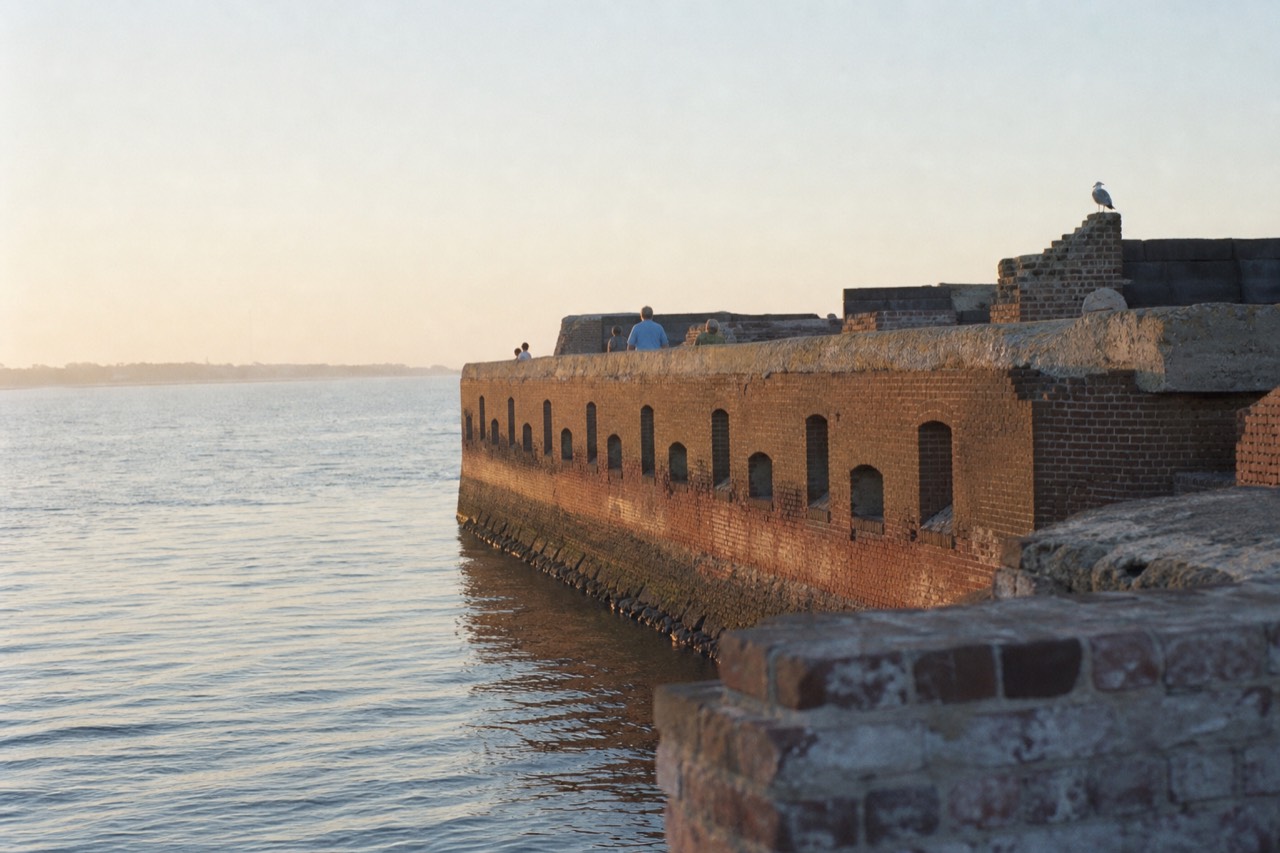
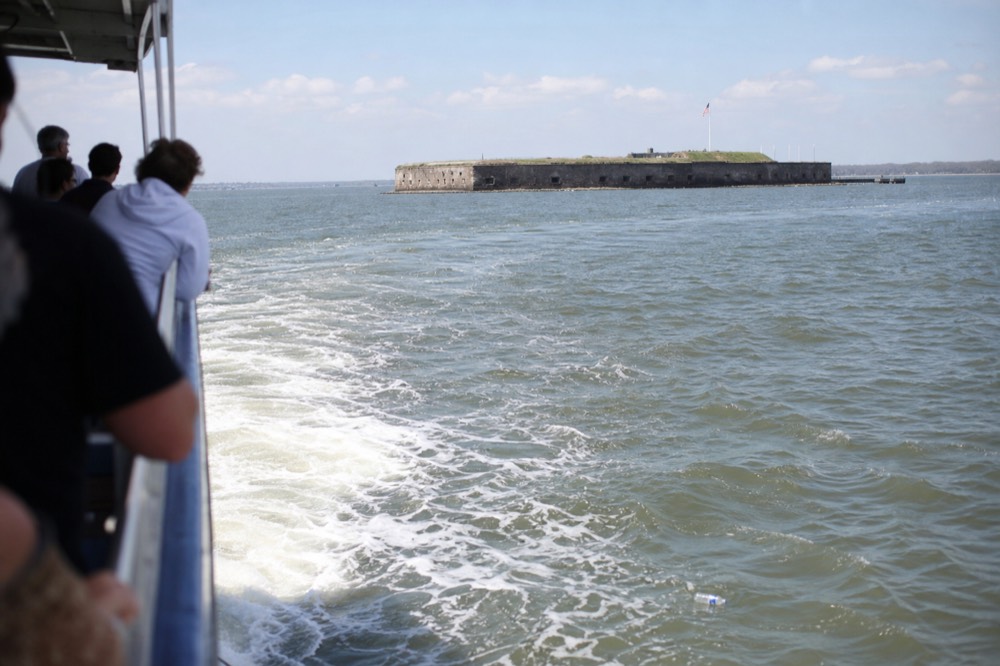
Fort Sumter is the brick island-fort where the Civil War's first shots landed on April 12, 1861, at about 4:30 a.m., opening a 34-hour bombardment. Cruises do not land there; they pass at narrated distance, close enough to see the scarred walls and the flag. It is the emotional anchor of every history route on this harbor, and for most visitors it is the reason they book a boat at all.
The fort held a U.S. Army garrison under Major Robert Anderson when the bombardment began, and surrendered on April 14 after the shelling. The National Park Service's account of the battle covers the full sequence. Congress established the site as a national monument in 1948, and it now sits inside Fort Sumter and Fort Moultrie National Historical Park, which recorded 814,658 recreation visits in 2025.
From a cruise deck the fort reads as a low, brutalized silhouette: walls reduced to rubble height in places, rebuilt in patches, flying the modern flag. The narration usually covers the bombardment, the surrender, and the strange years that followed, when the fort changed hands and became a symbol more than a stronghold.
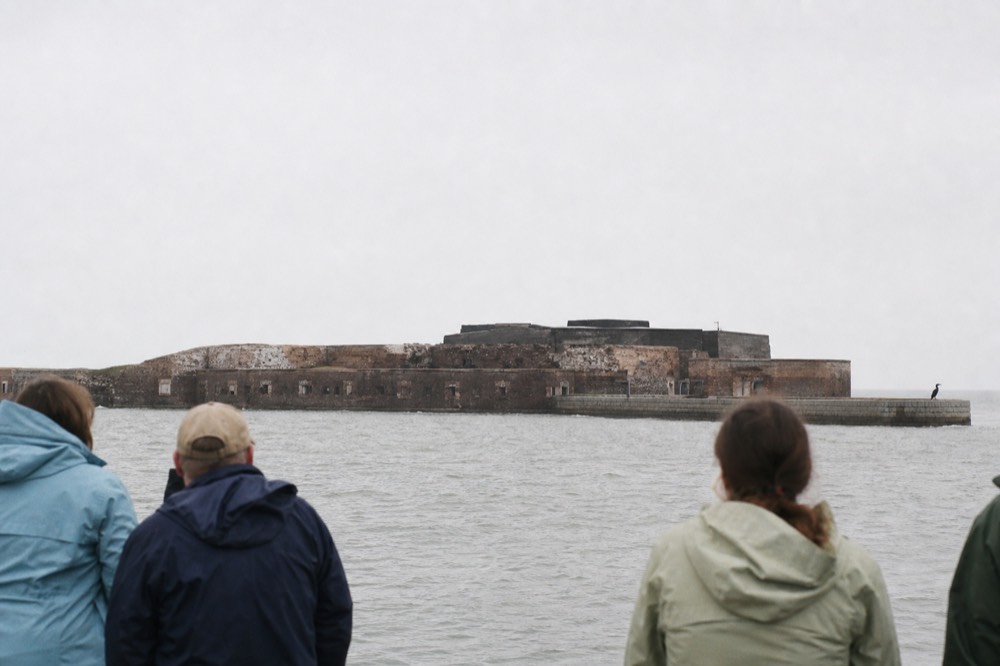
Two preservation stories are unfolding on the fort right now. The U.S. Army Corps of Engineers and the National Park Service have a stone breakwater project under way to reduce wave impact and erosion around the island. And the fort you may be looking at is not always the fort you think: Castle Pinckney, the circa-1809 round fort on Shute's Folly closer to the city, is routinely mistaken for Fort Sumter by passengers on the water. The Castle Pinckney Historical Preservation Society began building a new access dock in March 2026 to support archaeology and conservation at the site, so the confusion is likely to shrink as activity there grows.
If the history is the point of your trip, the narrated options below are the ones that lean into it hardest:
Harbor cruise or Fort Sumter ferry: two different products
A harbor cruise stays on the water for the whole trip; the Fort Sumter ferry is a different product that lands you on the fort itself for about an hour. This site sells the narrated cruises, not the ferry. If standing inside the fort matters most, book the ferry; if the skyline, the dolphins and 75 landmarks in 90 minutes matter more, book a cruise.
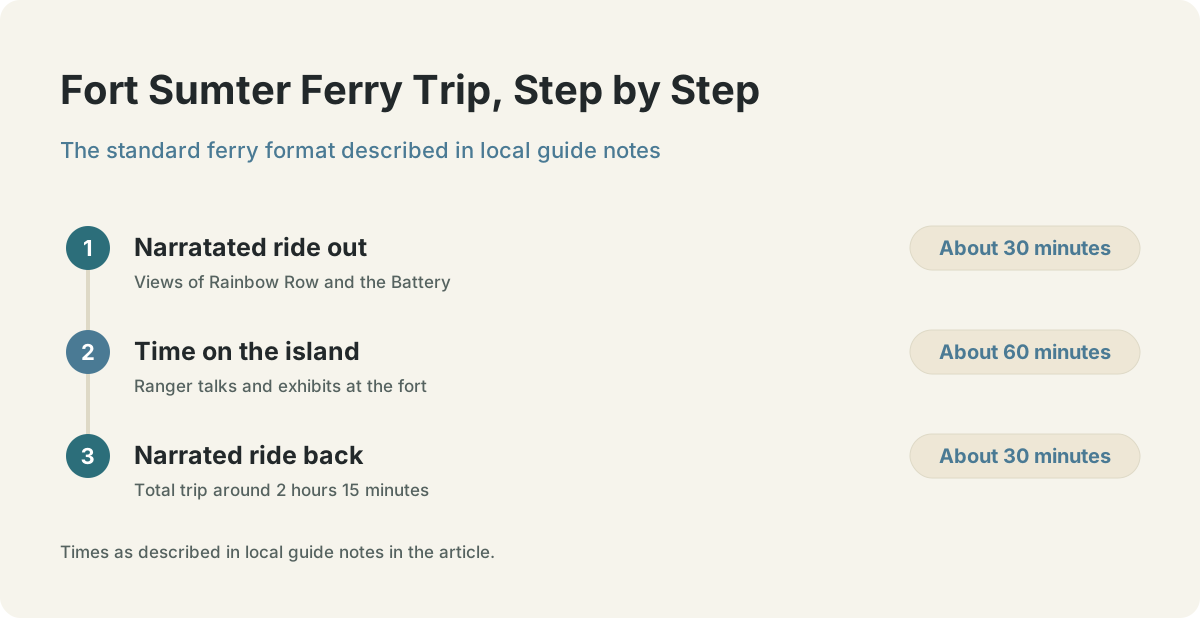
The ferry is the only harbor option that puts visitors ashore on the fort. Local guide notes describe the standard format as a roughly 30-minute narrated ride each way, with views of Rainbow Row and the Battery, plus about 60 minutes on the island, for a total around 2 hours 15 minutes. Reviewers of the ferry consistently praise the scenic ride out and the ranger talks ashore. It is a good product. It is simply not the product sold here, and pretending otherwise would not help you plan.
The trade-off is real. The ferry gives you depth on one site. A cruise gives you breadth: the Battery, Castle Pinckney, Fort Moultrie, the bridge, the carrier, the dolphins, and the fort from the water, all in a shorter window. Families with young kids often do better on the cruise, since an hour of standing on a hot island tests shorter attention spans. History buffs who have waited years to stand where the first shots fell should take the ferry and not look back. For a deeper verdict, read whether the Fort Sumter tour is worth it.
| Narrated harbor cruise | Fort Sumter ferry | |
|---|---|---|
| Total time | About 1.5 hours | About 2 hours 15 minutes |
| Time ashore | None | About 60 minutes at the fort |
| Water time | The entire trip | About 30 minutes each way |
| Focus | 75+ landmarks, skyline, dolphins | The fort itself, exhibits and ranger talks |
| Price | From $45 per person | Sold separately; not listed on this site |
| Booked through | The operator's live listing | The park's ferry concession |
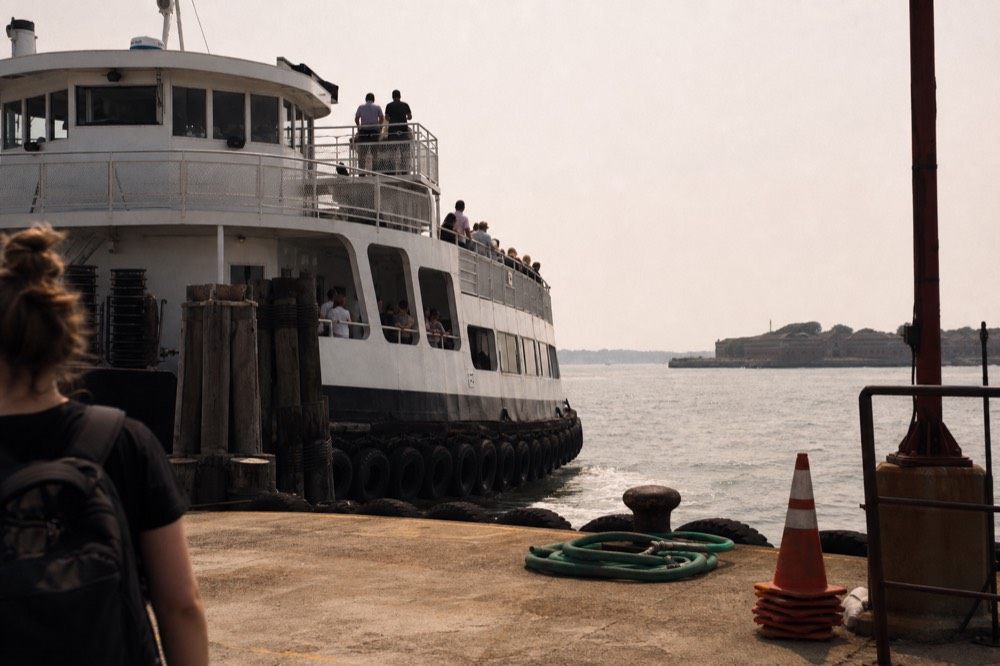
One planning note worth adding: the narrated cruise that this site features as its history pick runs from the Charleston Maritime Center at 10 Wharfside Street, which offers free visitor parking in a 55-space surface lot open around the clock. The ferry leaves from different docks, so check its departure point separately if you go that route.
The Battery, Rainbow Row and the skyline from the deck
The Battery is the fortified seawall promenade at the tip of the peninsula, and from the water you see its mansions, White Point Garden's oaks and Rainbow Row's Georgian row houses behind the masts. The city finished a $71 million restoration of the Low Battery in February 2026, strengthening nearly 5,000 feet of seawall, so the shoreline you cruise past is freshly rebuilt.
The restoration matters to a harbor tour more than you might expect. The raised promenade and improved drainage changed the silhouette at the peninsula's tip, and the narration on current cruises points out the work as part of the city's long fight against storm surge and tidal flooding. Charleston has been armoring this shoreline since the colonial era; the 2026 project is simply the newest layer.
Rainbow Row gets a different kind of story. The Georgian row houses on East Bay Street are recognized as the birthplace of historic preservation in Charleston, saved from demolition in the early 20th century through the efforts of Susan Pringle Frost and the Preservation Society of Charleston. From the water the row reads as a strip of pastel behind the harbor's forest of masts, and captains use it to explain how this city came to keep its past standing when so many others did not.
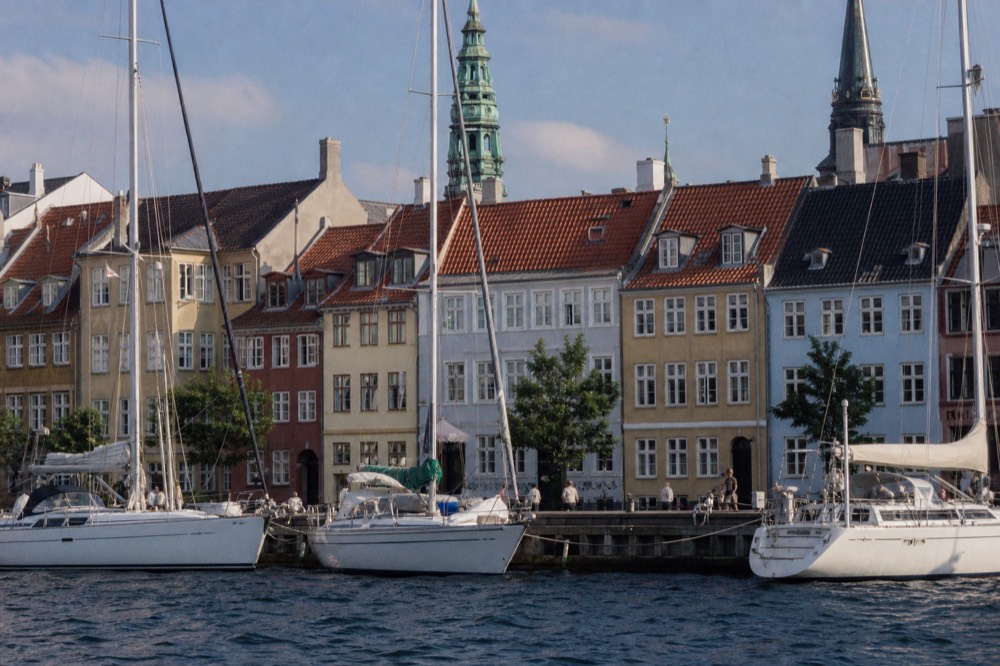
White Point Garden, at the foot of the Battery, adds the military layer: old artillery pieces and monuments set among live oaks. From a moving boat it is mostly a green crown above the seawall, but the narration ties it to the harbor defenses that once made this the most fortified city in America. The steeple skyline behind it, including the churches that survived fires, earthquakes and war, rounds out the picture most passengers photograph on the way out.
Patriots Point, the USS Yorktown and the Ravenel Bridge
Patriots Point, on the Mount Pleasant side, is home to the USS Yorktown, a WWII aircraft carrier the museum itself describes as nearly 1,000,000 square feet of hands-on history, plus the destroyer USS Laffey. The Ravenel Bridge frames it all from the water. The museum marked its 50th anniversary in 2026 and draws more than 300,000 visitors a year.
The Yorktown is the sight that stops conversation on deck. Escorts, subs and carriers appear in plenty of harbors, but this one fought in the Pacific, recovered Apollo astronauts and now sits within touching distance of the cruise routes along the Mount Pleasant shoreline. The museum's own overview covers the carrier, the Laffey, the Cold War Memorial, the Vietnam Experience and the Medal of Honor Museum on the same pier.
The Ravenel Bridge plays a different role in the narration. It is modern infrastructure, opened to carry Cooper River traffic, and its cable-stayed towers are the backdrop for the last stretch of most sunset routes. Cruises that depart Patriots Point pass it almost immediately; cruises from the Maritime Center reach it after the fort. Either way, the contrast between the 1861 fort and the contemporary bridge inside a single 90-minute loop is the clearest summary of what this harbor is: four centuries of history stacked within sight of each other.
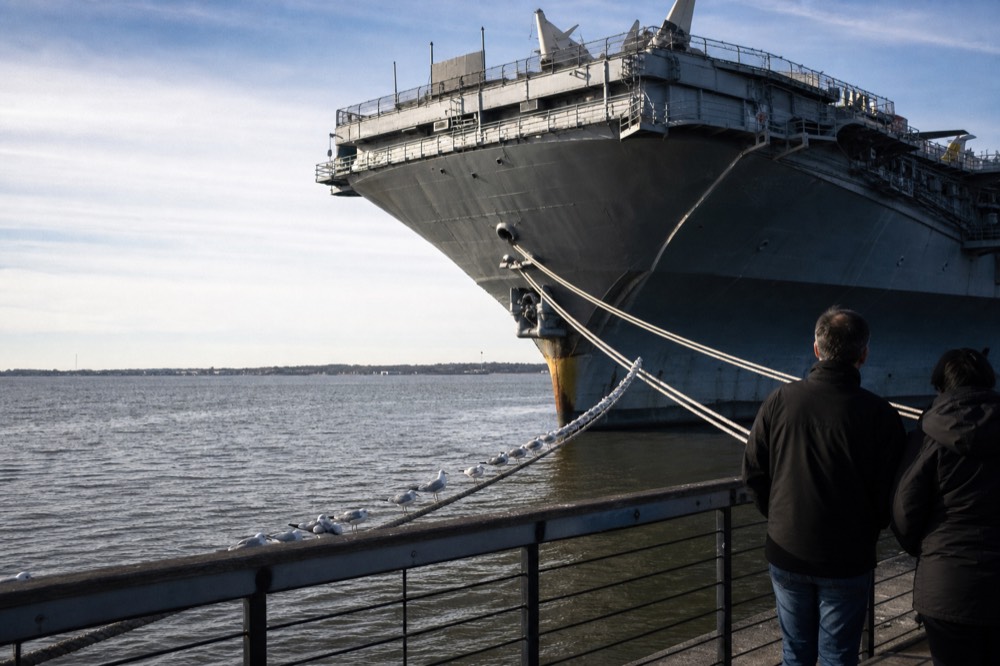
Dinner cruises departing Patriots Point get the carrier at eye level on the way out, which is worth knowing if you are choosing between departure points. The narrated history options below all cover the same basic geography, but where they start shapes the order you meet it in.
Which cruises tell Charleston's history best?
Two narrated options dominate this harbor: the featured Charleston Harbor Tours departure, rated 4.5 stars across 1,486 reviews and priced from $54, and the Carolina Belle run, rated 4.4 stars across 3,229 reviews and priced from $45 with free cancellation. A third choice, a sailing schooner from $56, trades some narration depth for the chance to help hoist the sails. All three run about 1.5 hours.
The featured historic cruise is the site's hero product for a reason. Charleston Harbor Tours runs it from the Maritime Center with a daytime or sunset departure, narrating past more than 75 landmarks with colonial and Civil War history woven through. At 4.5 stars from 1,486 reviews it carries the stronger average of the two narrated boats, and the sunset slot doubles the payoff: history on the way out, golden light on the way back.
The Carolina Belle run is the volume leader. It departs 10 Wharfside Street, the same Maritime Center dock, aboard an 80-foot boat, and its 3,229 reviews at 4.4 stars make it the biggest review base on this entire site. It is also the cheapest narrated option at from $45, includes free cancellation, and is flagged "Likely to sell out" on the live listing, which is a real pattern rather than a marketing line. You can look at the narrated history cruise aboard the Carolina Belle and Check availability if the date matters.
The schooner option splits the difference between history and sailing. It departs Aquarium Wharf, runs 1.5 hours from $56, and invites guests to help hoist the sails, which changes the mood from classroom to adventure. Its ratings are on the live listing rather than confirmed here, and dolphin sightings are part of the pitch. The narration is lighter than on the two narrated boats, but the silence under sail has its own value at Fort Sumter.
| Cruise | Duration | From | Rating | Notes |
|---|---|---|---|---|
| Live-narrated history cruise, Carolina Belle | 1.5 hours | $45 | 4.4 stars, 3,229 reviews | Free cancellation; likely to sell out |
| Historic harbor cruise, daytime or sunset | 1.5 hours | $54 | 4.5 stars, 1,486 reviews | 75+ narrated landmarks |
| Schooner sailing with dolphin watch | 1.5 hours | $56 | On the live listing | Guests help hoist the sails |
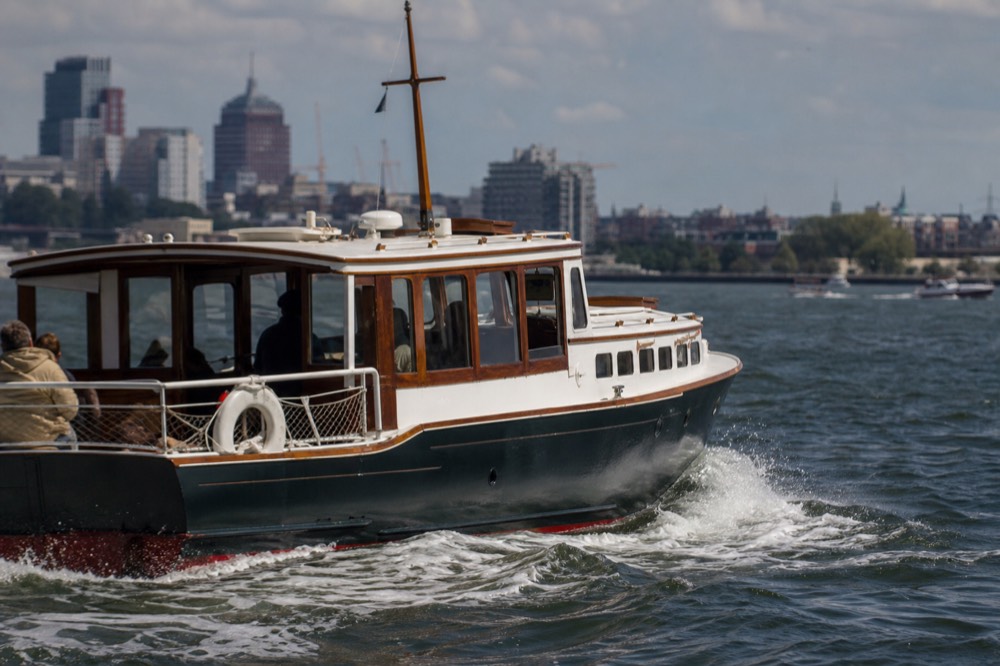
A note on honest expectations: recent guest reviews of the busier harbor boats include complaints about crowd control and narration audibility, with some reviewers advising that smaller boats are the way to go. That is a fair read. The big narrated boats are cheap, frequent and reliable; the schooner and the private charters trade price for intimacy.
When to take a history cruise: light, weather and crowds
Fall is the strongest season for a history cruise: September still gives sunsets near 7:40 p.m. early in the month, crowds thin after summer, and the water settles. August is statistically the wettest month at 6.97 inches of rain and November the driest at 2.66 inches. Morning and late-afternoon departures usually ride the calmest water.
The fall argument is not just local folklore. Operators themselves, including Sandlapper Water Tours on their own blog, point to September through November as the best window for harbor cruising: daytime temperatures sliding from the 70s and 80s in September toward the 60s by November, clearer days, thinner boat traffic and calmer water. The September 2026 sunset window runs from about 7:44 p.m. on the first of the month to 7:05 p.m. on the last, so a sunset history cruise in early September still ends in daylight.
The weather data backs the pattern. NOAA's 1991-2020 normals for the Charleston station put August as the wettest month of the year and November as the driest, and morning and late-afternoon departures see the calmest water thanks to lower wind and glare. Hurricane season technically runs June 1 through November 30, which is why operators occasionally reschedule; free-cancellation options are worth preferring in late summer. For a fuller month-by-month breakdown, see the best months to book a harbor cruise.
| Season | Weather pattern | What it means for a history cruise |
|---|---|---|
| Fall (Sept-Nov) | 70-80F in September cooling to 60-70F by November, driest stretch of the year | Best all-round window: clear days, thin crowds, calm water |
| Summer (Jun-Aug) | Heat, afternoon storms, August the wettest month at 6.97 inches | Dolphin activity peaks; book morning departures |
| Spring (Mar-May) | Mild and pleasant, late-April Race Week fills the harbor with hundreds of boats | Great conditions, but race weekend adds congestion |
| Winter (Dec-Feb) | January mean temperature of 49.5F | Fewest crowds; take the warmest midday slot |
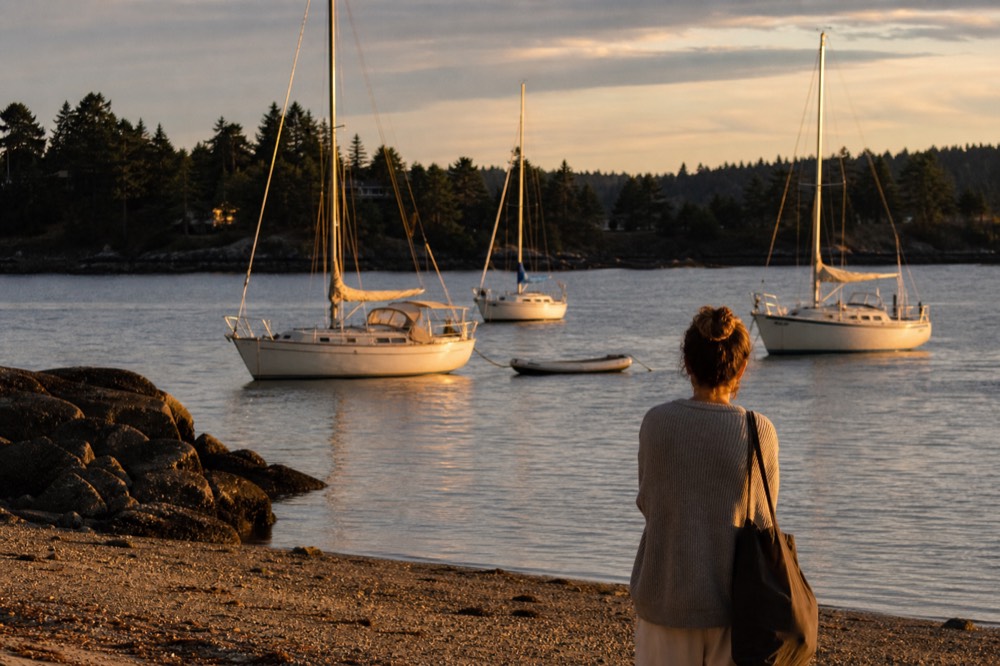
Timing within the day matters as much as the season. The narrated historic cruise offers a daytime or sunset departure, and the choice changes the tour: daytime gives you the fort's walls in full detail and the best dolphin odds, while sunset gives you the skyline and the bridge at their most photographed. History readers tend to prefer daytime; photographers should take the sunset slot without hesitation.
What a history-focused cruise costs
Narrated history cruises start at $45 per person for the Carolina Belle departure, $54 for the featured Charleston Harbor Tours slot and $56 for the schooner sail. A sunset harbor cruise runs from $65 and dinner cruises with live music start around $72. Most options on this roster run 1.5 to 2.5 hours.
The price ladder on this site is wide, and the history end of it is the cheap end. The two narrated boats and the schooner all sit in the $45 to $56 band. Step up to a sunset cruise with live music and an onboard bar and you are at from $65. Step up again to dinner and the floor is the Blues and BBQ buffet cruise at from $72, with the luxury three-course seated dinner cruise at from $111.
The haunted history cruise runs from $45 per person, the cheapest history-flavored option on the water, and lasts about 1.5 hours. Nighttime departures cover ghost and pirate lore, from Stede Bonnet to Gullah superstitions, at 4.3 stars from a small sample of 23 reviews; check the live listing for the current schedule before booking.
Where a figure is not published, the table says so instead of guessing.
| Option | From (per person) | Rating snapshot | Notes |
|---|---|---|---|
| Narrated history cruise, Carolina Belle | $45 | 4.4 stars, 3,229 reviews | Free cancellation; likely to sell out |
| Historic harbor cruise, daytime or sunset | $54 | 4.5 stars, 1,486 reviews | 75+ narrated landmarks |
| Schooner sail with dolphin watch | $56 | On the live listing | Guests help hoist the sails |
| Sunset harbor cruise | $65 | 4.7 stars, 296 reviews | Passes the Battery, Fort Sumter and the bridge |
| Blues and BBQ dinner cruise | $72 | 3.6 stars, 194 reviews | The weakest rating on this site's roster; free cancellation |
| Luxury three-course dinner cruise | $111 | 4.3 stars, 859 reviews | Seated dinner, live music, full bar |
| Haunted history harbor cruise | $45 | 4.3 stars, 23 reviews | Nighttime ghost-and-pirate narration, about 1.5 hours |
An honest word about that 3.6-star dinner figure: it is the weakest rating anywhere on this site's roster, and it is printed here rather than hidden because you deserve to know it before you spend $72. The luxury dinner option at 4.3 stars from 859 reviews is the safer celebration pick. For the full price landscape across every category, see what a Charleston boat ride costs.
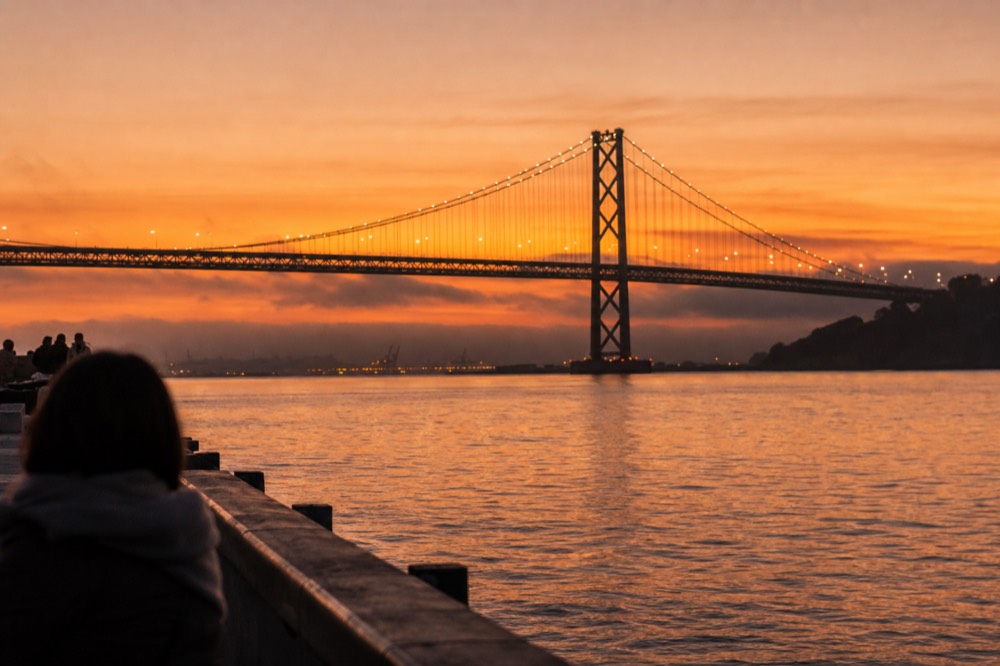
For a pure history outing, the schooner deserves one last look despite its lighter narration. Sailing past Fort Sumter under canvas, with the crew hauling lines and the city noise gone, is the closest this harbor offers to experiencing it the way generations of sailors did. At from $56 per person it costs barely more than the narrated boats.
However you book, the geography is the same: one fort, one seawall, one carrier and one bridge, all inside 90 minutes. The narrated cruises simply tell you what you are looking at while you float past it. These three are the strongest history picks on the roster:
Readers planning a history-focused boat trip ask the same six things: whether cruises reach Fort Sumter, how long the narrated options run, and how the ferry differs from a sightseeing pass. The short answers are that every route passes the fort, the narrated boats run about 1.5 hours, and only the separate ferry lands you on the island itself. The details below cover each question in full.
Common questions about Charleston's harbor history
Charleston's harbor history raises plenty of questions from curious visitors. People often ask how the harbor shaped the city's founding, what role it played during the Revolutionary and Civil War eras, and which historic sites along the water are worth visiting today. This section gathers the most frequent questions and gives clear, direct answers so you can explore Charleston's maritime past with confidence.
Does the harbor cruise stop at Fort Sumter?
No. Harbor cruises stay on the water for the entire trip. Only the Fort Sumter ferry, a separate product this site does not sell, lands passengers on the fort itself, for about an hour ashore.
How long is a narrated harbor cruise in Charleston?
About 1.5 hours for the two narrated history boats, the schooner, and the haunted history cruise. The sunset harbor cruise past the Battery and Fort Sumter does not publish a fixed duration, so check the live listing for that one before booking.
What is the difference between a harbor tour and the Fort Sumter ferry?
A harbor tour covers 75+ landmarks from the water in about 90 minutes, including the Battery, Castle Pinckney, the Ravenel Bridge and Patriots Point. The ferry runs about 2 hours 15 minutes total, with a roughly 30-minute narrated ride each way and about 60 minutes ashore at the fort.
Which narrated cruise has the most reviews?
The Carolina Belle live-narrated history cruise, with 3,229 reviews at 4.4 stars, the biggest review base on this site. It runs from $45 per person with free cancellation.
Is the Ravenel Bridge part of the route?
Yes. Nearly every cruise route on this harbor passes the Cooper River bridge, and sunset departures position it as the centerpiece of the return leg.