Is a dolphin cruise worth it?
An honest look at whether a Charleston dolphin cruise is worth the money: real sighting context, what else the trip includes, and who should skip it.
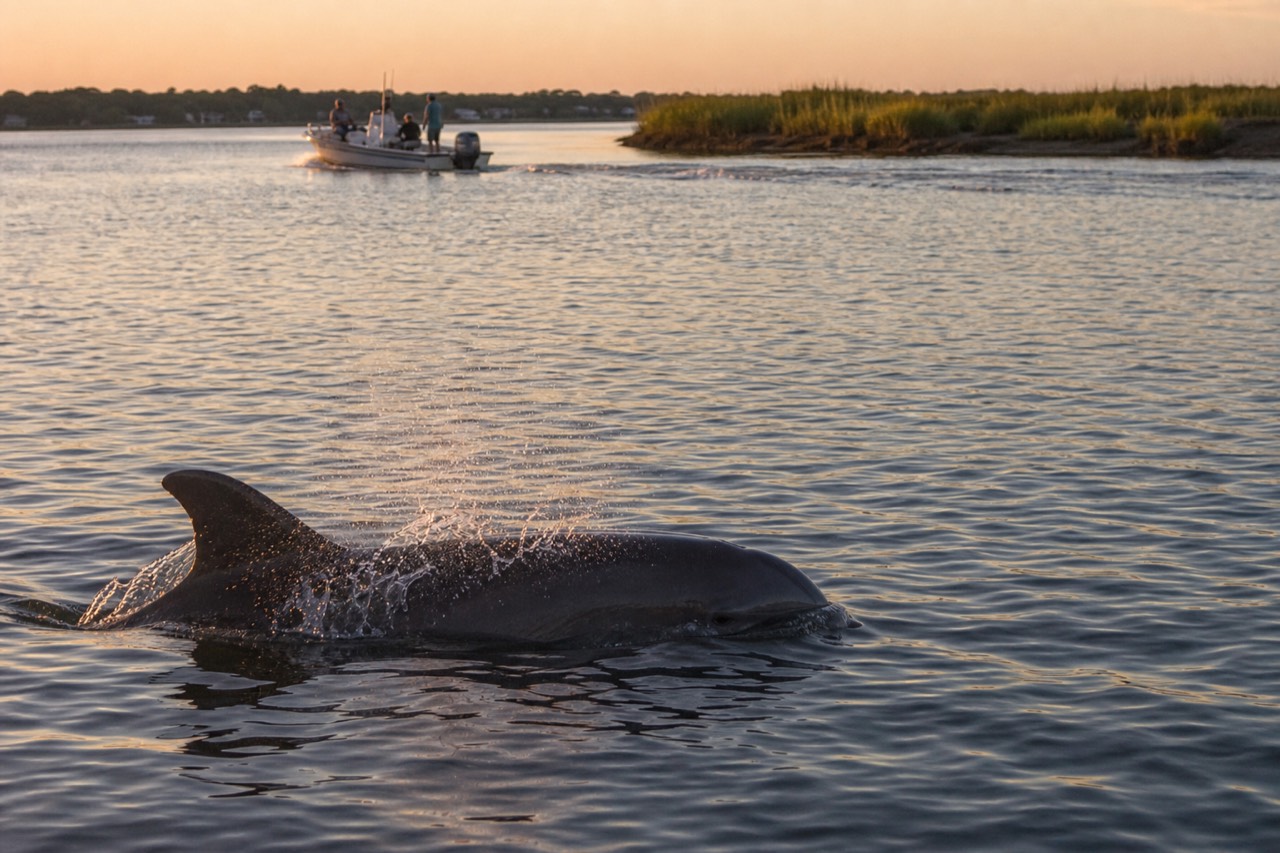
Is a dolphin cruise worth it?
For most visitors, yes: a dolphin cruise in Charleston is worth the ticket because roughly 300 dolphins live in the area's inland waters year-round, the fare runs $52-56 per person on this site's options, and even a trip with no sightings still delivers the harbor's scenery and narration. It is not worth it only if dolphins are the single thing you will accept from the trip.
That answer comes with a caveat the brochures will not print. No Charleston operator publishes a verified sighting rate, and none of the 2025-2026 materials this site's research turned up contains a claim like "we see dolphins on 90 percent of trips" that could actually be checked. What can be checked is the underlying biology, and it is genuinely favorable: the Lowcountry Marine Mammal Network estimates about 300 resident dolphins in Charleston's inland waters, and a national analysis of sighting data ranked Isle of Palms second and Folly Beach fourth among 356 US coastal locations for bottlenose dolphin sightings.
So the honest framing is this. You are not buying a dolphin encounter, you are buying a boat trip through one of the denser dolphin habitats on the American coast, with very good odds and no guarantee. Recent guest reviews land where you would expect: several 2026 reviewers called harbor dolphin trips "worth the price" and "enjoyable," while a minority came away grumbling about crowds or hard-to-hear narration. The spread is real, and it maps almost perfectly onto expectations.
What are the real odds of seeing dolphins in Charleston?
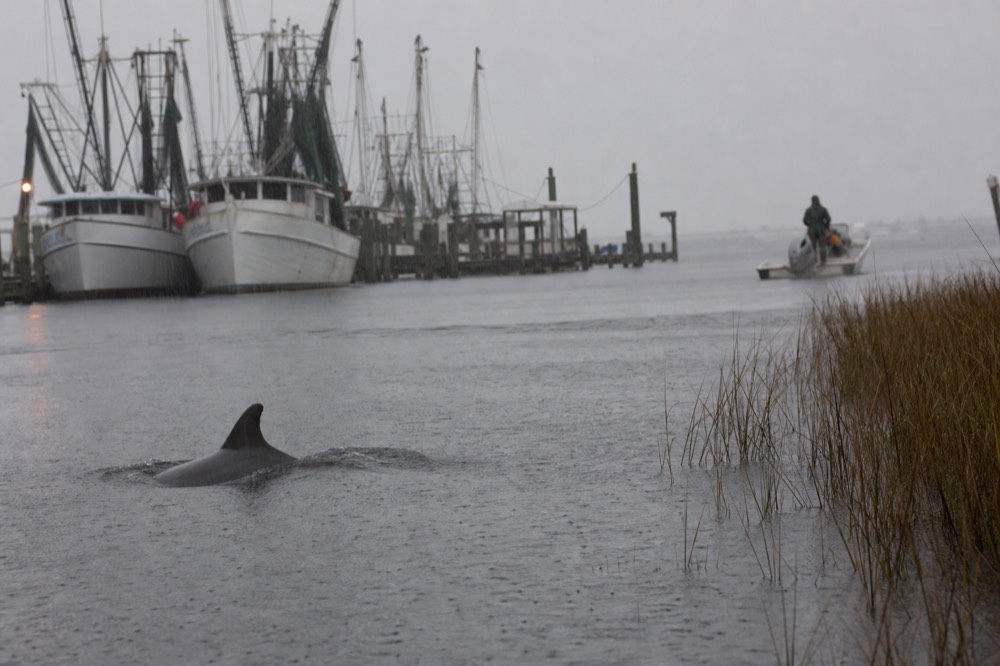
The odds are strong but never certain: about 300 dolphins live year-round in Charleston's inland waters per the Lowcountry Marine Mammal Network, the surrounding beaches rank among the top five US locations for documented sightings, and captains legally cannot chase or bait them, so every sighting depends on the dolphins choosing to be near your route.
Start with the population number, because it is the single best reason for optimism. The Lowcountry Marine Mammal Network's estimate of roughly 300 resident dolphins in the Charleston estuary means these are not migratory stragglers passing through; they are animals that feed, breed and raise calves in the same creeks and harbor channels your boat travels. A 2026 BoatBooker analysis of OBIS-SEAMAP sighting data put Isle of Palms at number two and Folly Beach at number four among 356 US coastal locations, with thousands of dolphins documented across thousands of recorded events at Isle of Palms alone.
What no operator can promise is a sighting on your specific 90 minutes. The Marine Mammal Protection Act requires boats to stay at least 50 yards, or 150 feet, from dolphins, per NOAA guidance repeated by Lowcountry advocacy groups in July 2026. A responsible captain slows down, holds distance and lets the dolphins come to the boat, which resident dolphins often do, they frequently ride boat wakes and hunt near channels. But weather, tide and plain luck all matter. If a listing promises a guaranteed sighting, that is a marketing line, not a fact.
The one genuinely rare thing worth knowing about: strand feeding, where dolphins deliberately beach themselves to catch fish, is documented in South Carolina and Georgia salt marshes and is almost unknown elsewhere on the Atlantic coast. It peaks July through September around Folly Beach on low to mid-tide, and a 2026 peer-reviewed paper in Marine Mammal Science examined the behavior at Captain Sams Inlet specifically. If you time a late-summer creek trip right, you might see behavior most Americans never will. That is the upside case for the trip, and it is real, but it is not bookable on demand.
What do you get on the boat besides dolphins?
Even on a quiet dolphin day you get a narrated harbor tour: Fort Sumter, the Battery's mansion row, the Ravenel Bridge, Castle Pinckney and the USS Yorktown from the water, plus pelicans, herons and the marsh creeks most visitors never see from downtown. Treat the dolphins as the headline act and the scenery as a full supporting card, not a consolation prize.
This is where the value question actually gets decided. A 1.5-hour dolphin cruise covers the same waterfront sightseeing as a standard history cruise: the opening shots of the Civil War at Fort Sumter, the pastel row of Rainbow Row, the aircraft carrier at Patriots Point and the skyline from the channel. Reviewers who enjoyed their trips almost always mention the scenery and the crew alongside the dolphins; reviewers who felt shortchanged are usually the ones who wanted nothing else. One small structural note that trips people up: the round 1809 fort closest to the city shoreline is Castle Pinckney, not Fort Sumter, and passengers mistake the two constantly.
The format shapes the experience too. The afternoon schooner option runs on an 84ft tall ship, and guests can help the crew hoist the sails, which turns a slow dolphin stretch into something to do rather than something to wait through. It rates 4.5 stars across 787 reviews, carries a free-cancellation policy, and is flagged as likely to sell out on the live listing, so booking a day or two ahead matters in peak season. Its ratings strength is partly the format: sail-assisted boats are quieter, and quiet boats drift closer to wildlife behavior without breaking the 50-yard rule.
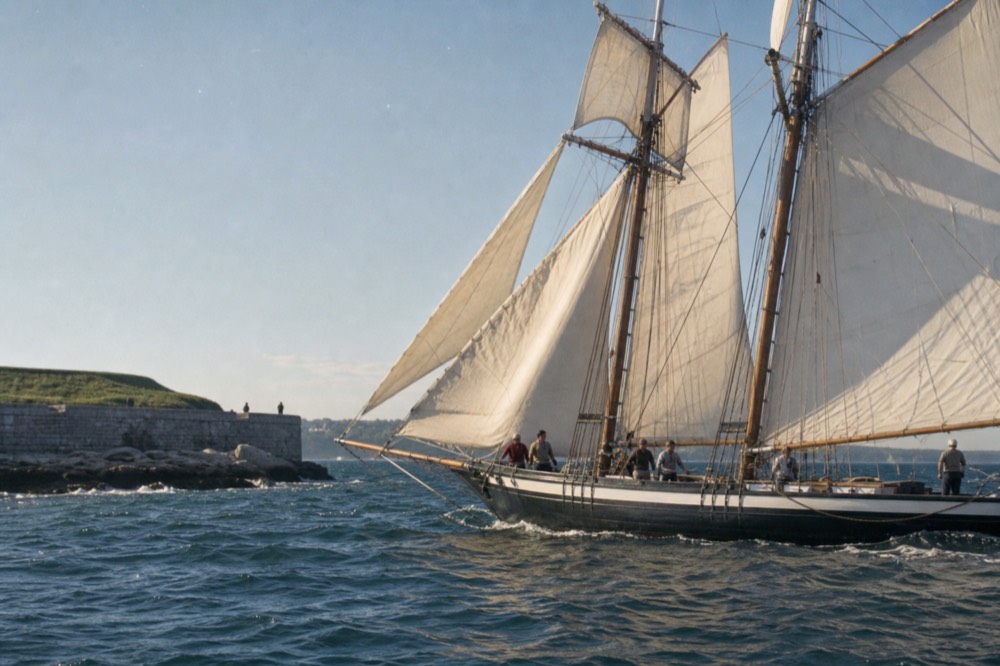
The sister option from the same operator, a 1.5-hour sailing experience with dolphin watching from Aquarium Wharf, offers the same hands-on sailing angle from $56 per person. Its ratings are on the live listing rather than quoted here, because independent reads disagreed enough that no single figure is reliable. That is itself useful information: when a tour's review base is murky, the format and the route, both fully documented, are what you are actually buying.
What does a dolphin cruise cost in Charleston?
Dolphin cruises on this site run $52-56 per person for 1.5-hour trips, with the Folly Beach creek excursion at $52, the harbor schooner trips at $56, and private sail charters from $599 per group for up to six guests. That is roughly the same price band as a plain sightseeing cruise, so you are not paying a dolphin premium.
| Trip | Price | Duration | Rating |
|---|---|---|---|
| Folly Beach dolphin viewing excursion | From $52/person | 1.5 hours | 5.0 stars, 17 reviews (small sample) |
| Afternoon schooner dolphin cruise | From $56/person | 1.5 hours | 4.5 stars, 787 reviews |
| Schooner sailing experience with dolphin watch | From $56/person | 1.5 hours | Ratings on the live listing |
| Private sunset sail (Mystique, up to 6 guests) | From $599 per group | 2-4 hours | 5.0 stars, 59 reviews |
The table shows the honest spread. The Folly Beach option is the cheapest and the most distinctive, it leaves from the tidal creeks behind Folly Beach toward the Morris Island Lighthouse rather than from a downtown marina, and its 5.0-star average comes from just 17 reviews, a very small sample that should not be read as a proven track record. The afternoon schooner carries the largest, most dependable review base of the three. The private sail is a different product entirely: whole-boat pricing for up to six guests with a BYOB policy, which works out cheaper per person than the public boats if you fill it.
One cost note that belongs in the same breath: a 2026 reviewer of the city's water taxi called it "the best $17 I spent in Charleston" and suggested skipping the pricier tour boats entirely, since the taxi route also passes dolphins. That is a fair budget take. The water taxi does not narrate, does not cruise the creeks and does not linger near wildlife, but if your goal is a cheap boat ride with a decent chance of a dorsal fin, it is a legitimate alternative. The tours cost more because you get a route, a crew and a schedule built around the animals.
Who should skip a dolphin cruise?
Skip it if you would only be satisfied by a guaranteed close encounter, if small children need constant action, or if you are prone to second-guessing $50 spent on a boat ride: no operator can promise a sighting, and the honest 2026 review record includes complaints about crowds and inaudible narration on the busier boats.
The negative reviews this site's research verified are specific. A 2025 reviewer of a large harbor tour complained about poor crowd control, with standing passengers blocking seated sightlines, and concluded that "small boat tours are the way to go." Others flagged bachelorette groups talking over the narrator and boats described as run down. None of these complaints are about dolphins; they are about what happens when you put a hundred people on a boat and the animals do not perform. The pattern suggests a practical rule: the smaller the vessel, the fewer the failure modes.
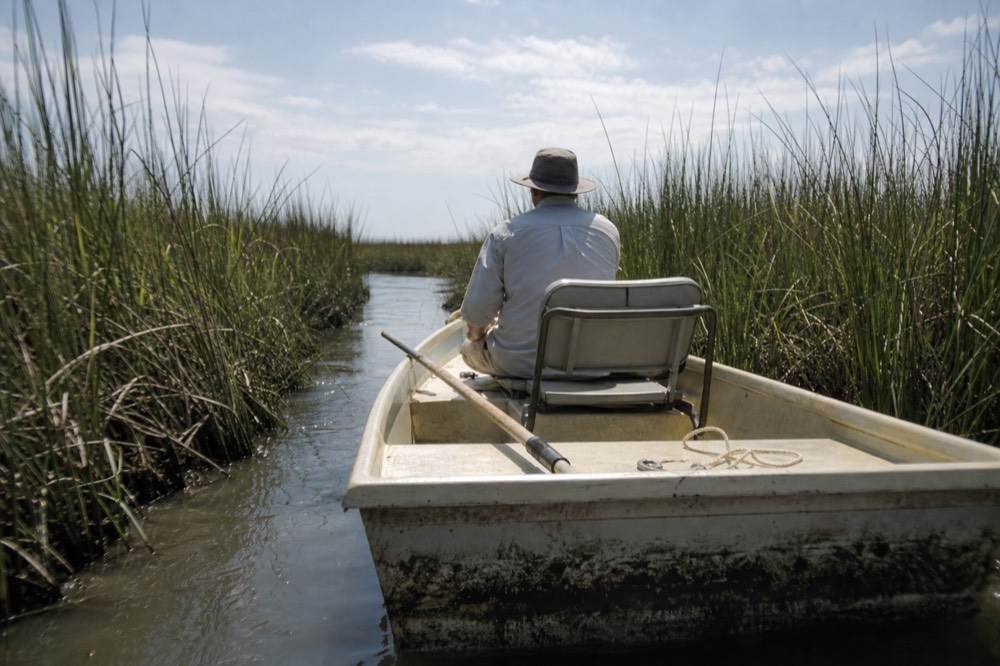
Also skip it, or at least reframe it, if you are hoping to swim with or touch the animals. That is not a Charleston rule, it is federal law, and the same Marine Mammal Protection Act behind the 50-yard distance limit makes pursuing or feeding dolphins illegal. If what you want is a wildlife interaction rather than a wildlife observation, no harbor cruise of any price will deliver it, and it is better to know that before the boat leaves the dock. The 50-yard requirement is the single most useful thing to internalize before booking.
There is a middle group worth naming too: the visitor who books a dolphin cruise as a default because it sounds family-friendly, without checking whether the format suits their group. A tall-ship sail with rope handling is a hit with older kids and a chore with toddlers. A creek excursion with no downtown skyline may disappoint a teenager who wanted the postcard views. Matching the boat to the group matters more than matching the boat to the dolphins, because the dolphins are the one part of the day nobody can control.
A few practical checks can spare you the most common disappointments. Before booking, look at the operator's photos rather than their marketing copy: a vessel that looks run down in a 2025 review is unlikely to have been replaced since. Ask how many passengers the trip carries and whether seating is assigned; if standing passengers can block your view, an unreserved spot near the rail is worth arriving early for. If narration matters to you, a smaller boat where the captain talks over a single speaker, rather than a headcount of a hundred, gives you a much better chance of hearing it.
Timing matters as much as vessel size. The same trip can feel crowded at midday and relaxed on a weekday morning, so if your schedule allows, book the first departure of the day. And if you are traveling with a toddler or a restless six-year-old, plan for the possibility that the dolphins never appear: bring snacks, point out pelicans and shrimp boats, and treat the ride itself as the outing. The families who enjoy these cruises most are the ones who arrive prepared to like the water, not just the animals in it.
Which dolphin cruise should you actually book?
Book the afternoon schooner if you want the biggest review base and a sell-out-worthy tall-ship format, the Folly Beach creek excursion if you want the tidal-creek habitat and the rare chance of strand feeding, and the private sail if you are a group of six who would rather not share a deck. All three sit in the $52-56 per person band or, for the charter, from $599 per group.
The choice is really a habitat choice. The harbor schooners give you open-water sailing, the city skyline and Fort Sumter on the route, with dolphins as frequent visitors. The Folly Beach excursion trades the skyline for the creeks behind the barrier island, where the resident dolphins actually hunt, and where the July-September strand-feeding window concentrates the most dramatic behavior in the region. If dolphins are the entire point of your trip, the creek side is the stronger bet; if you want a balanced harbor tour with dolphins as a strong possibility, the schooners are the better day out.
For planning around the animals rather than around your calendar, the seasonal and timing details are covered in depth elsewhere on this site, including when harbor dolphins are most visible and a fuller tour-by-tour dolphin cruise comparison. The short version: resident dolphins are here year-round, summer adds migratory pods to the population, and morning and late-afternoon departures tend to run on the calmest water, which helps both spotting and photography.
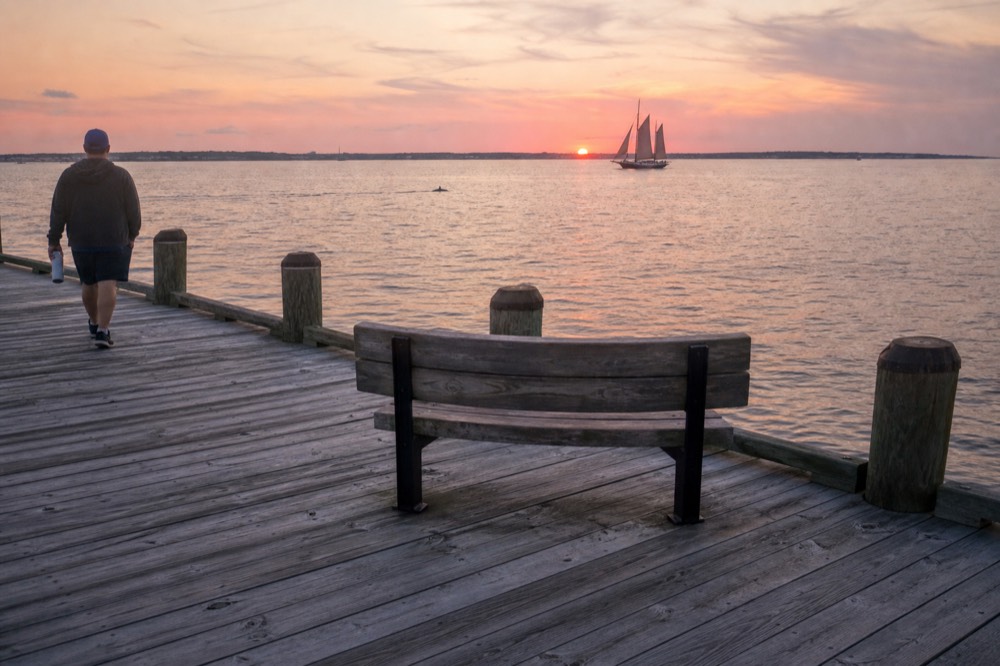
The verdict, stated plainly: a dolphin cruise here is a good-value bet on a boat trip through a genuinely dense dolphin habitat, priced like an ordinary sightseeing cruise, with scenery that carries the trip even on a quiet afternoon. It is a bad purchase only for the visitor who wants a guarantee. This site, Charleston Harbor Cruises, exists to make that distinction clear before you spend the money, and the honest answer is that most visitors who book with realistic expectations do not regret the fare. For readers weighing the broader question, the is the Charleston harbor tour worth it breakdown covers the same value question without the dolphin angle.
The short answers: a dolphin cruise is worth it for most visitors at $52-56 per person, no operator guarantees a sighting, dolphins are present year-round with a summer population boost, and swimming with them is prohibited by federal law. The details behind each of those answers follow.
Common questions about dolphin cruises
Most people wondering about dolphin cruises ask the same few things: what the trips involve, when dolphins are most likely to appear, whether children can come along, and how to pick a good operator. The short answer is that dolphin cruises are family-friendly boat tours, sightings are common but never guaranteed, and the best experiences come from choosing a reputable company with knowledgeable guides.