Can you swim in Charleston Harbor?
No, Charleston Harbor is not a swimming spot: boat traffic, tidal currents, and a monitoring program built for ocean beaches all point the same way. Here is what to do instead.
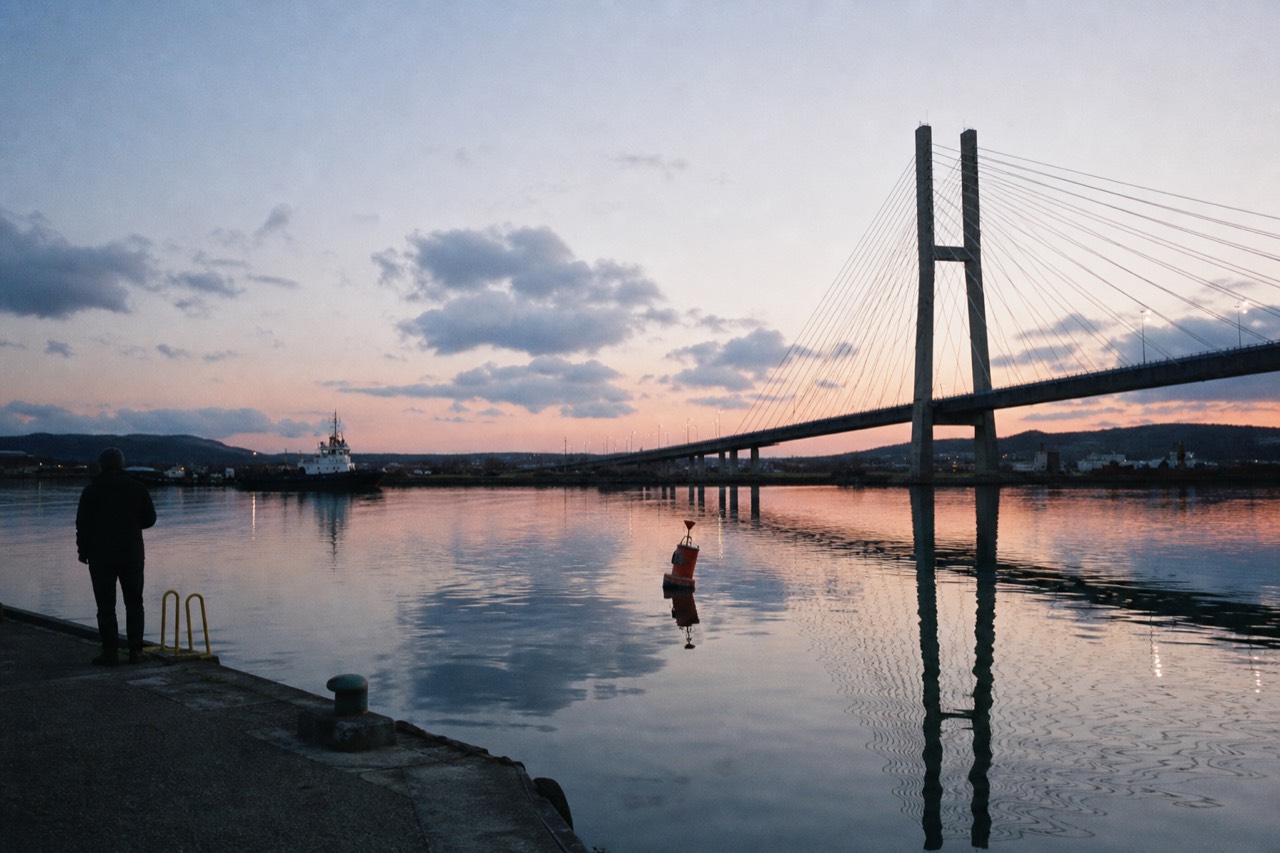
Can you swim in Charleston Harbor?
No, Charleston Harbor is not a swimming destination, and no local agency promotes it as one. The harbor is a busy working waterway with heavy boat traffic, strong tidal currents, and no lifeguarded or designated swimming area. State bacteria monitoring covers ocean beaches like Folly Beach and Sullivan's Island, not the harbor itself. The water is best experienced from a boat deck.
That answer surprises some visitors because the harbor looks inviting, especially on a flat, glassy September evening when the water around Shem Creek goes mirror-calm. Looks are misleading here. The Cooper and Ashley rivers meet in this estuary, and the tide moves through the system twice a day with enough force to matter even for strong swimmers. Add a constant flow of tour boats, shrimp trawlers, kayakers, and larger commercial traffic, and you have a waterway that locals treat as a corridor, not a pool.
The monitoring gap matters too. South Carolina's beach program, run by SCDES, tests coastal beaches for enterococcus bacteria and issues short-term advisories when levels exceed 104 CFU/100mL, but that program is built around swimming beaches like Folly and Sullivan's Island. Charleston Waterkeeper's independent Swim Alert program does test 20 Lowcountry waterway sites weekly in season, including some harbor-adjacent creeks, and 2026 results have generally shown lower bacteria levels than prior years, per a September 2026 report. Still, nobody, from the state to the local advocacy groups, promotes the harbor itself as a place to swim. You can read the state's own beach monitoring description at SCDES beach monitoring.
None of this means the harbor is off-limits. It means the right way into it is aboard a boat, and there are good options at several price points, from a casual BYOB sunset run out of Shem Creek to a narrated history cruise past Fort Sumter.
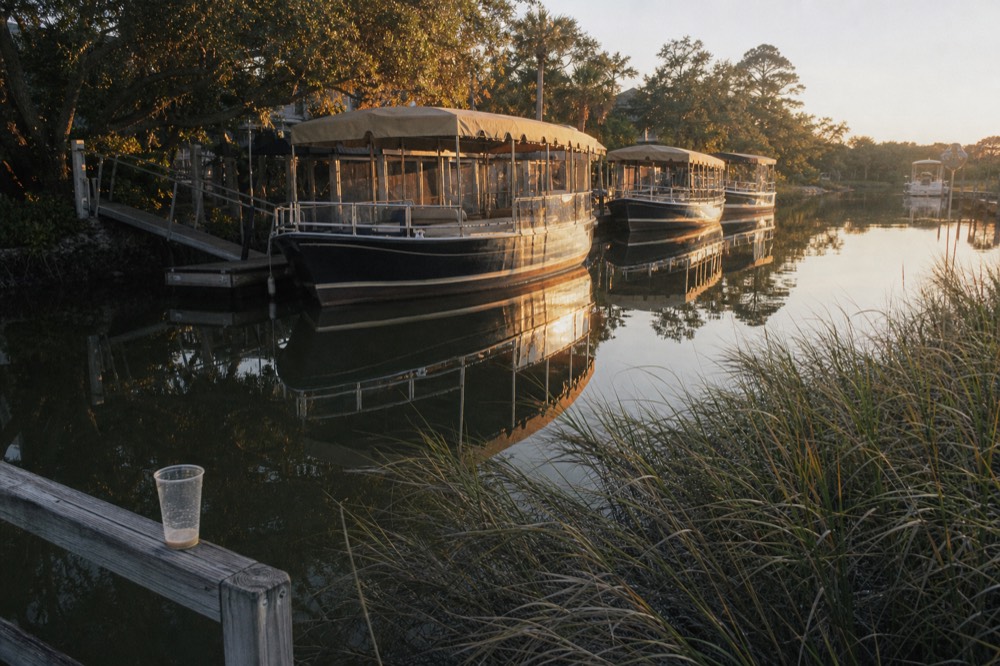
Why isn't the harbor monitored for swimming?
Because it was never designated a swimming area in the first place. State and local testing programs prioritize places where people actually get in the water, which in the Charleston area means the ocean beaches. The harbor's real water-quality story is about shellfish, runoff, and ecosystem health rather than swimmer safety, so no agency posts swim advisories for it.
The distinction is worth understanding because it shapes where the data exists. SCDES's coastal beach program covers named swimming beaches, with Folly Beach and Sullivan's Island among the monitored Charleston-area sites. When a sample exceeds the advisory threshold, a sign goes up on that beach. The harbor has no equivalent sign system because there is no equivalent beach: no designated entry point, no lifeguard, no bathers in the water on a normal day.
Charleston Waterkeeper fills part of the gap with its weekly in-season Swim Alert testing at 20 Lowcountry sites, and a September 2026 report noted generally lower bacteria levels than prior years, with occasional hotspots after rain. That is genuinely useful information for kayakers and boaters, but it is recreational-water data, not a green light for swimming in the main harbor channel.
The practical takeaway: if a waterway is not monitored as a swim spot, treat it as one you experience from above the waterline. That is exactly what the boat tour operators here are set up for, and it is why Charleston Harbor Cruises exists as a site at all, to help you pick the right deck rather than the right swimming hole.
What are the actual hazards if you swim there anyway?
The two biggest hazards are boat traffic and tidal current, not water quality. The harbor channels carry constant vessel traffic, including large commercial ships, and the tidal exchange between the rivers and the sea produces currents strong enough to sweep a swimmer off course quickly. There is also no lifeguard coverage anywhere on the harbor.
Boat traffic is the hazard people underestimate. A swimmer in the water is nearly invisible from the helm of a moving boat, especially in the chop and glare of an afternoon. The main channel is a designated route for everything from shrimp trawlers to cargo vessels serving the port, and the smaller creeks where tours operate are busy in their own right. A person in the water near Shem Creek on a Saturday evening is sharing space with departing dinner cruises, fishing boats returning with the tide, and kayakers.
The tide is the second problem. This is an estuary, and the water level changes by several feet twice a day. That exchange creates currents in the channels and around the jetties that can exhaust even a confident swimmer, and the direction of flow reverses with the tide, so the current that carried you out is not the current that carries you back. The harbor's protected, generally calm surface, the same quality that makes it pleasant for boat tours, tells you nothing about what the water is doing horizontally underneath.
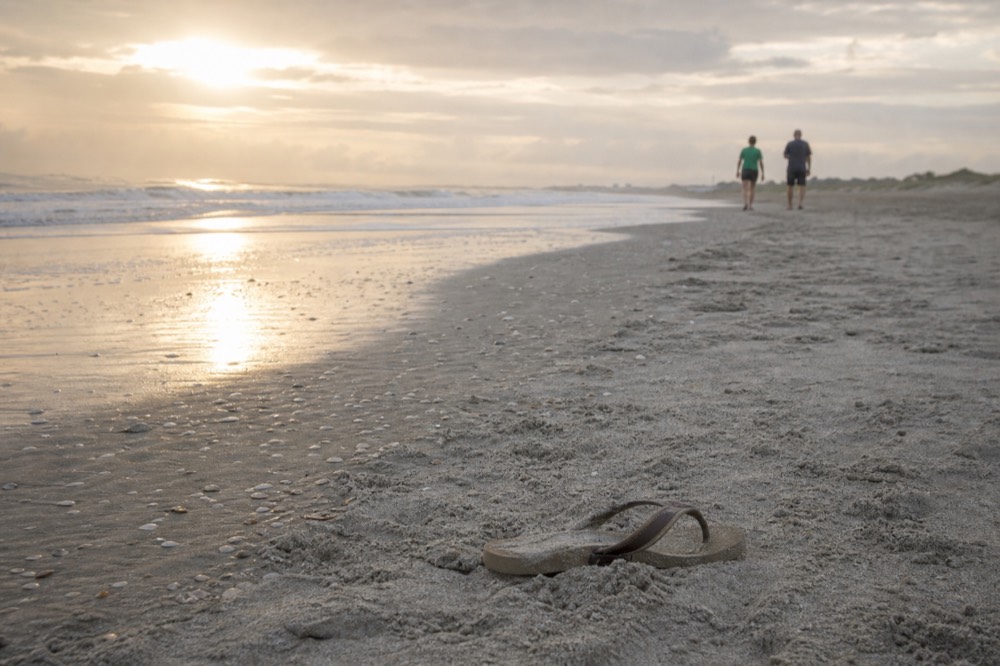
Where should you swim instead?
Folly Beach and Sullivan's Island are the area's real swimming beaches, both monitored under the state beach program and both within a short drive of downtown. The Washout at Folly is the local surf spot, while Sullivan's Island offers quieter stretches near Station 16 and beyond. Save the harbor for boat trips and save swimming for the ocean.
Folly Beach, about 20 minutes from downtown, is the classic choice: a wide public beach, a fishing pier, lifeguards in season at the county park section, and the water quality testing described above. Sullivan's Island, the next barrier island north, is quieter and more residential, with limited public parking but beautiful, less crowded sand. Isle of Palms beyond it adds another county-run beach park option with lifeguards.
The nice thing about the geography is that you do not have to choose between the harbor and the ocean, you can do both in one afternoon. A morning or late-afternoon boat tour catches the calmest water (lower wind and glare, per local operator guidance), and the beaches are a short drive for the swim itself. Our guide to Charleston cruise departure points covers the marinas and parking if you are planning a day that splits time between the two.
If your heart is set on seeing marine life in the water rather than swimming with it, the dolphin tours are the honest answer. The Folly Beach dolphin viewing excursion from Castaway Island Excursions runs the tidal creeks behind Folly Beach and past Morris Island Lighthouse, from $52 per person with a 5.0-star rating on a small sample of 17 reviews. It is the closest thing to being in the water with the harbor's roughly 300 resident dolphins, without violating the federal rule requiring boaters to stay 50 yards from them.
What is the best way to actually experience the harbor?
From the deck of a boat, ideally on a sunset run out of Shem Creek. The 1.5-hour Captain Cocktail cruise is casual and music-led, BYOB, from $59 per person, with a 4.8-star average on a still-growing base of 38 reviews. It passes the same waters you were tempted to swim in, safely and with a drink in hand.
Shem Creek itself is half the experience. The creek on the Mount Pleasant side was once lined with shrimp trawlers, seventy of them in their heyday by the town's own history, and today it is a lively waterfront of restaurants and bars with a park boardwalk along the water. Departing from there puts you on the water within minutes, gliding past the shrimp boat docks and out toward the harbor with the Ravenel Bridge ahead.
The Shem Creek sunset cruise is the one this article is built around because it answers the original question so directly. You wanted to be in the harbor; this puts you on it, at the golden hour when the water is calmest and the dolphins often surface near the channel markers. It is BYOB, holds groups up to roughly 35-40, and keeps the mood loose rather than scripted. Check availability on the live listing if the date matters, since small-boat trips fill on popular evenings.
If you want the harbor's story rather than its sunset, the narrated history cruise is the other strong pick. It runs 1.5 hours on the 80ft Carolina Belle, daytime or sunset, past Fort Sumter and more than 75 landmarks, from $45 per person with a 4.4-star average across a very large 3,229-review base. Free cancellation applies, and the listing carries a real "likely to sell out" flag, so booking ahead is genuinely advised rather than marketing pressure. For a fuller comparison, see the best Charleston harbor tours compared.
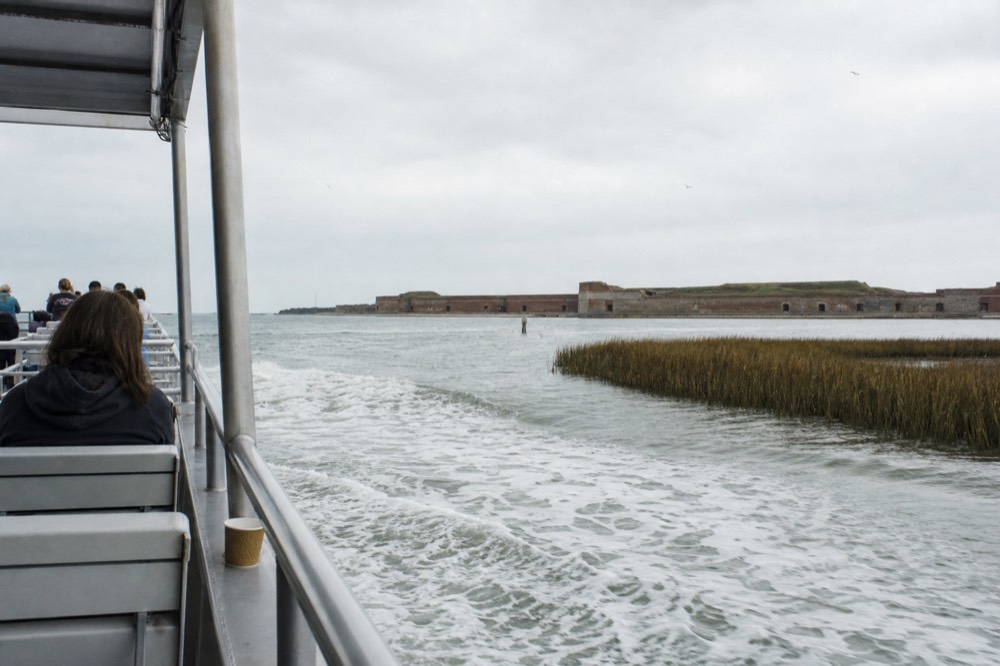
Is the harbor water dirty?
Not in the way the question usually implies. The harbor is an estuary, naturally silty and brackish, so it looks brown-green rather than blue, and that appearance is mostly pluff mud and tides rather than pollution. Routine bacteria advisories in the Charleston area target the ocean beaches, and 2026 independent testing has shown generally lower levels than prior years.
The color deserves its own explanation because it drives a lot of the "is it dirty?" instinct. The rivers that feed this estuary drain thousands of square miles of Lowcountry marsh, and the tides stir that sediment twice daily. The same murk that hides a swimmer from a boat captain also makes the water look uninviting in the way a mountain stream never does. Brown water is not the same as contaminated water.
The real water-quality concerns here are episodic rather than constant: runoff after heavy rain, occasional hotspots in harbor-adjacent creeks flagged by the weekly Swim Alert testing, and longer-term issues like the microplastics NOAA researchers found in stranded local dolphins. Those are reasons to respect the ecosystem and support the monitoring work, not reasons to expect a posted pollution warning on any given day.
Here is the freshest data on the harbor's water and its wildlife:
Quick comparison: harbor vs. ocean beaches
The harbor and the ocean beaches split cleanly along every line that matters for a swimmer: designated swimming areas, lifeguards, bacteria monitoring, boat traffic, and current strength all favor the beaches, while scenery and history favor the harbor. The table below lays out the differences row by row so you can see the pattern at a glance.
| Question | Charleston Harbor | Folly Beach / Sullivan's Island |
|---|---|---|
| Designated swimming area | None | Yes, public beaches |
| Lifeguards | No | Seasonal at county park sections |
| Bacteria monitoring | Not part of the state beach program | Yes, SCDES-tested with posted advisories |
| Boat traffic | Constant, including commercial vessels | Limited to designated zones away from swimmers |
| Tidal currents in swimming areas | Strong channel currents | Standard surf conditions |
| Best way to enjoy it | Boat tour or sunset cruise | Swimming, surfing, beach day |
The pattern is consistent across every row: the harbor is a place for boats, the beaches are places for people in the water. Neither is a downgrade; they are simply different experiences, and the harbor's version happens to include Civil War fortifications, a carrier-sized naval museum on the shoreline, and a bridge that photographs beautifully at sunset.
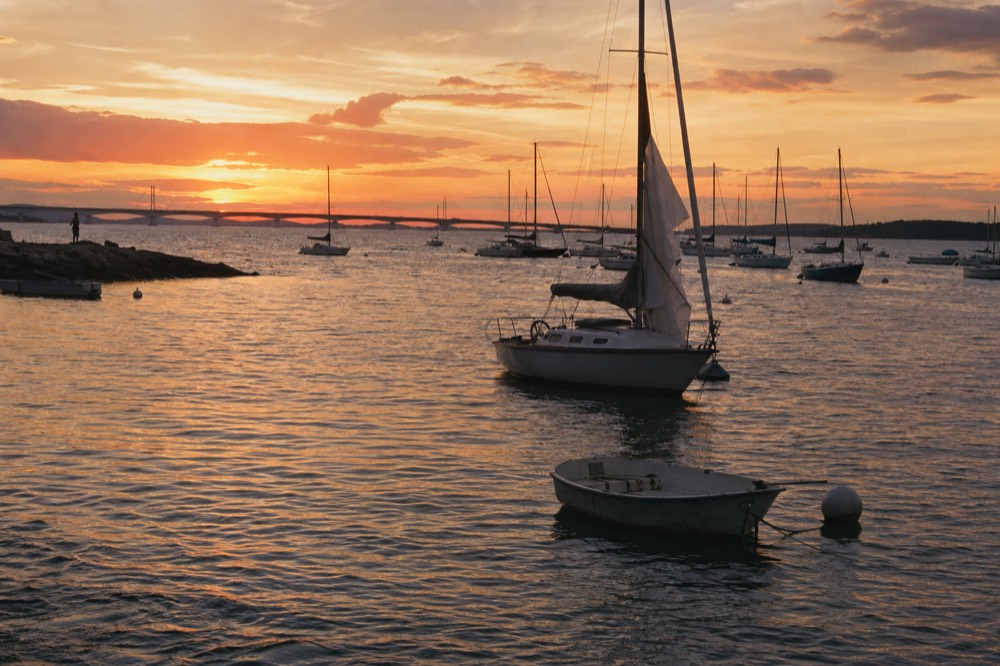
One more planning note worth having: September is a quietly excellent month for the boat-side of this plan. Sunset in Charleston runs about 7:44pm on September 1 and 7:05pm by September 30, so an early-evening departure still gets golden light without a late night, and fall is repeatedly cited by local operators as the best season on the water for cooling temperatures and thinner crowds. If you are weighing the whole calendar, our piece on the best months to book a harbor cruise breaks it down month by month.
However you build the day, the water itself is the constant. The harbor rewards you for staying on top of it, and the beaches reward you for getting in. Do both and you will have answered the question better than a swim ever could.
The questions below are the ones readers ask most about swimming in this harbor, and each answer keeps to the same standard as the article: real, sourced facts, no invented figures, and a clear distinction between the harbor and the ocean beaches. If your question is not here, the sections above cover the hazards, the monitoring gap, and the best alternatives in full detail.
Common questions about swimming in Charleston Harbor
Swimming in Charleston Harbor is generally not recommended. Strong currents, boat traffic, and occasional bacteria advisories make it unsafe for casual swimming. Most locals and visitors instead swim at nearby beaches like Folly Beach, Sullivan's Island, or Isle of Palms, where lifeguards and cleaner water offer a much better experience. The harbor is best enjoyed by boat, kayak, or paddleboard rather than by swimming.
Is Charleston Harbor water dirty?
The harbor is naturally silty and brackish because it is an estuary, so the brown-green color is mostly sediment, not pollution. Independent weekly testing in 2026 has shown generally lower bacteria levels than prior years, with occasional hotspots after rain. It is still not monitored as a swimming area.
Where is the closest swimmable beach to downtown Charleston?
Folly Beach is roughly a 20-minute drive from downtown and is the most popular option, with lifeguards in season at the county park section. Sullivan's Island and Isle of Palms are just north of it and offer quieter and more family-oriented stretches respectively.
Can you swim with dolphins in Charleston?
No, and it is illegal under the federal Marine Mammal Protection Act, which requires boaters to stay at least 50 yards from dolphins. The closest legal experience is a dolphin-viewing boat tour, such as the Folly Beach excursion that runs the tidal creeks behind the island.
Is it safe to kayak or paddleboard in the harbor?
Yes, with the same cautions that apply to any boat: stay out of the main channels, watch for vessel traffic, and time your paddle with the tide rather than against it. The calmer creeks and coves, especially in the morning and late afternoon, are the standard spots.
What is the best way to see the harbor if you can't swim in it?
Take a boat tour. Options range from a narrated 1.5-hour history cruise from $45 per person to a casual BYOB sunset run out of Shem Creek from $59 per person, so there is a deck for nearly any budget.